A Brief Study on the Herb Stephania Tetrandra
2025-11-25 16:35:25
The Menispermaceae family, commonly known as the “moonseed family”, is a group of primarily climbing plants distributed mainly across tropical and subtropical regions. Comprising approximately 70 genera and over 450 species, many of these plants play significant roles in traditional medicinal systems worldwide, particularly in Traditional Chinese Medicine (TCM).
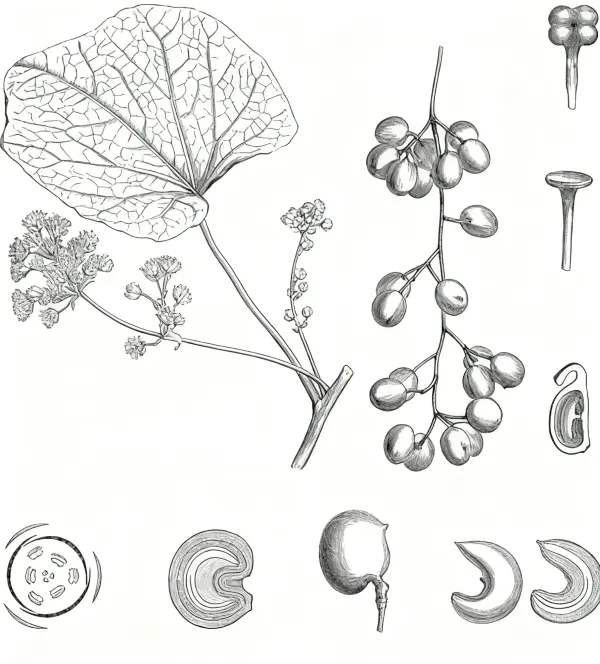
Our company, Healthkintai®, specializes in the extraction and production of 98% high-quality Stephania tetrandra extract tetrandrine and other specifications. (Contact us at health@kintaibio.com.) Among the various plants, such as Stephania tetrandra, Aristolochia fangchi, and Cocculus orbiculatus, why have we exclusively chosen Stephania tetrandra as our raw material? Let's explore the reasons today.
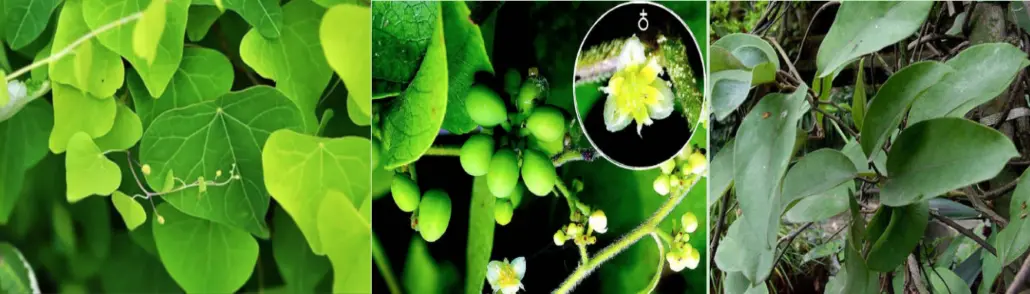
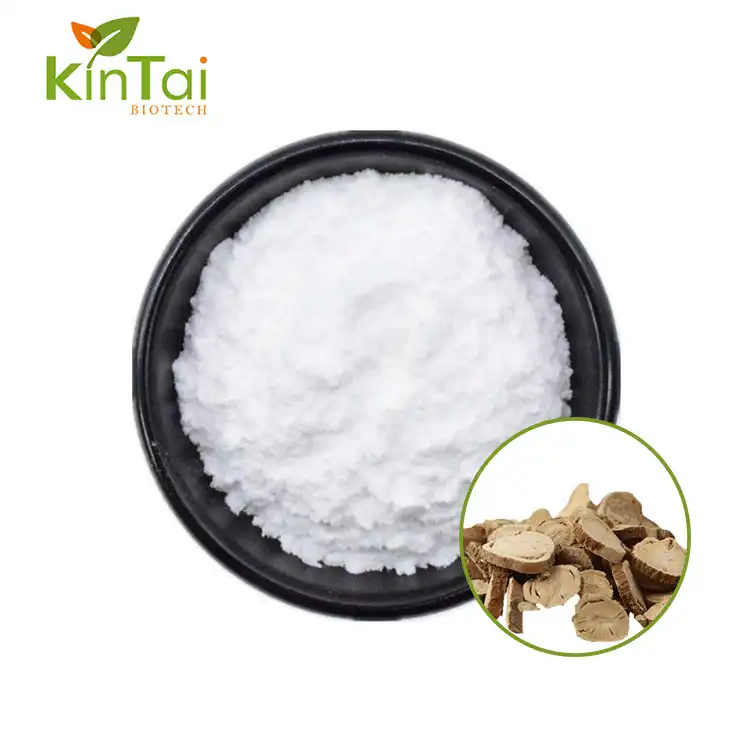
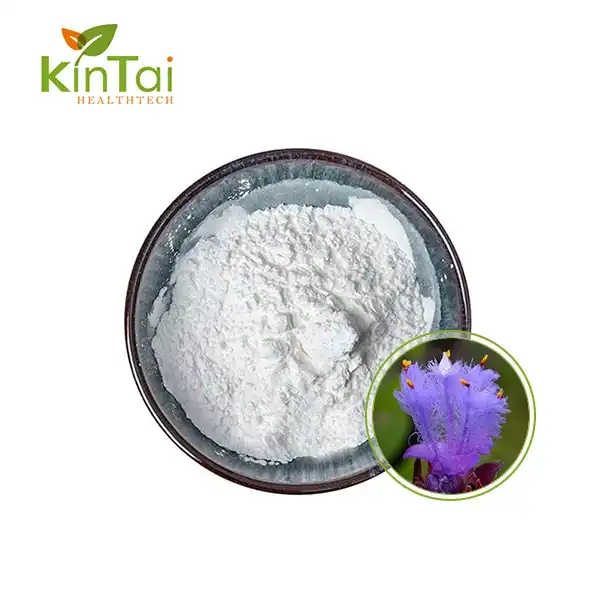
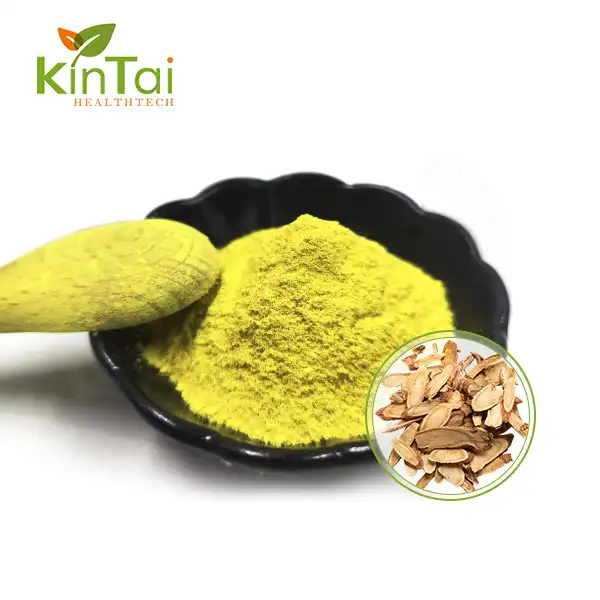
Stephania tetrandra plant Cocculus orbiculatus plant Aristolochia fangchi plant
The status of the Stephania Tetrandra Plant (as the primary and officially recognized species)
The Menispermaceae family represents a treasure trove of medicinal plants with high therapeutic value, yet requires careful identification. The pharmacological activity of these plants is largely attributed to their rich alkaloid content, which exhibits diverse and potent biological effects. Among them, tetrandrine is one of the most widely utilized alkaloids.
|
Scientific Name (Genus) |
Primary Active Compounds |
Traditional Use & Characteristics |
|
Stephania |
Bisbenzylisoquinoline Alkaloids |
Relatively safe and widely applied. Representative plant: Stephania tetrandra. |
|
Cocculus |
Bisbenzylisoquinoline Alkaloids, etc. |
Uses are similar, but note differences between species. |
|
Aristolochia |
Aristolochic Acid |
Caution: This is a toxic adulterant! |
Origins of Stephania Tetrandra, Cocculus Trilobus, and Aristolochia Fangchi
Stephania Tetrandra
Currently, the commercial supply of Stephania tetrandra is primarily sourced from Ji’an, Ganzhou, Yingtan, and other regions in Jiangxi Province.
Cocculus Trilobus
Cocculus trilobus is mainly produced in Hanzhong, Zhenba, Foping, Nanzheng, Xixiang, and other areas of Shaanxi Province.
Aristolochia Fangchi
Aristolochia fangchi was historically distributed mainly in South and Southwest China, with key production areas in Zhaoqing, Gaoyao, Yangjiang, Yangchun, Enping, Qingyuan, and other locations in Guangdong Province. However, due to safety concerns related to aristolochic acid, it is now rarely circulated.
Identification and Comparison of Stephania Tetrandra, Cocculus Trilobus, and Aristolochia Fangchi
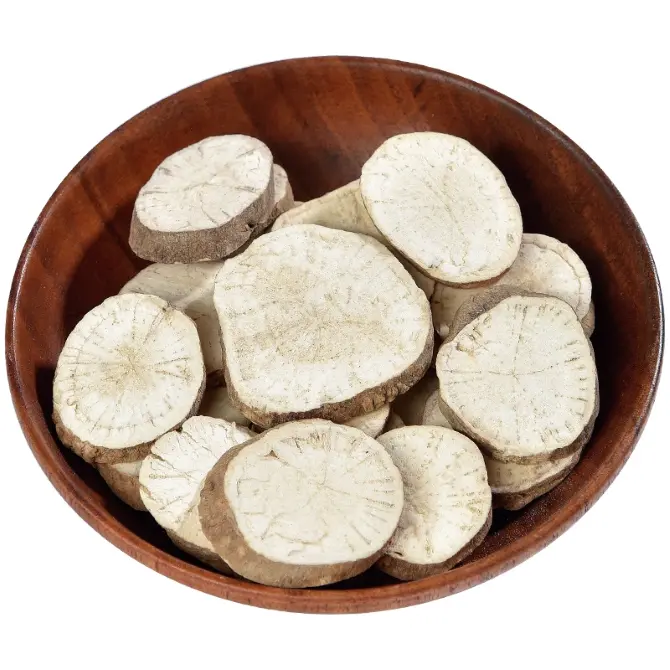
Stephania tetrandra
The tuberous root is cylindrical, semi-cylindrical, lumpy, or in pieces, often curved like a knot with constricted transverse grooves at the bends, 3 cm to 15 cm long and 2 cm to 5 cm in diameter. The surface is grayish-brown with fine wrinkles and distinct transversely protruding lenticels. When the cork is removed, the surface appears pale grayish-yellow. It is heavy and compact in texture. The cross-section is even, grayish-white to yellowish-white, highly starchy, and shows sparsely arranged radial. The longitudinal section exhibits vein-like curved striations. It has a slight odor and a bitter taste.
Cocculus Trilobus
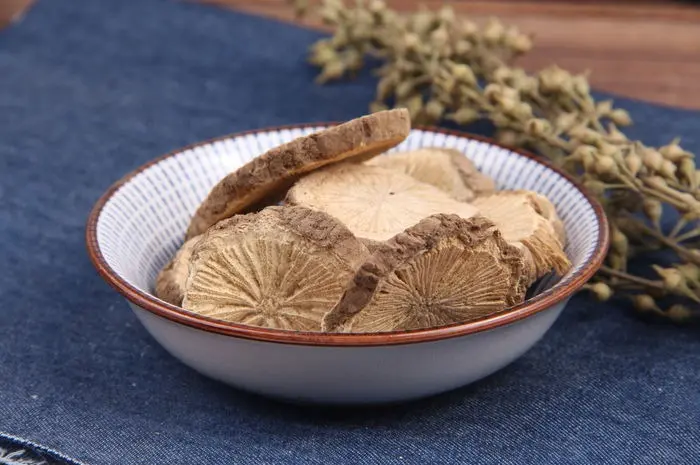
The root is cylindrical or twisted, slightly moniliform with raised nodes, 10 cm to 20 cm long and 1 cm to 2.5 cm in diameter. The surface is blackish-brown with curved longitudinal grooves and a few rootlet scars. The texture is hard. The cross-section is yellowish-white with radial and small pores. It has a slight odor and a slightly bitter taste.
Aristolochia fangchi
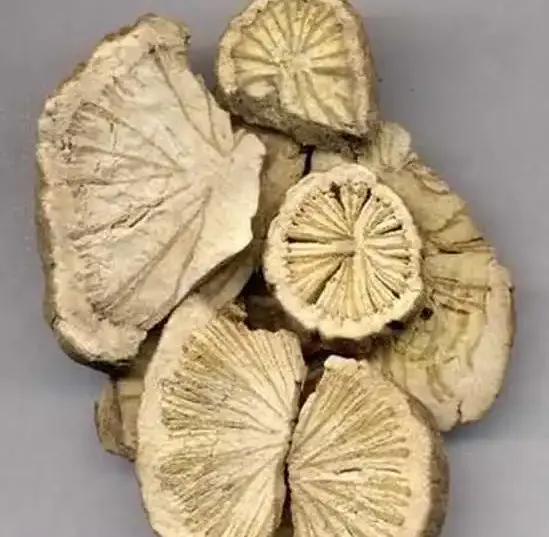
The root is cylindrical or semi-cylindrical, slightly curved, with deep transverse grooves at the bends, 6 cm to 20 cm long and 1.5 cm to 3 cm in diameter. The surface is brown, with a thick, rough cork layer and sunken, transversely cracked ridge lines. When the cork is removed, the surface appears grayish-yellow and relatively smooth. The longitudinal section is grayish-white or pale brownish-yellow, interlaced with light brown longitudinal, transverse, or curved striations. The texture is hard and not easily broken. The cross-section exhibits a continuous radial pattern of grayish-brown and off-white bands. It has a slight odor and a slightly bitter, astringent taste.
|
Feature |
Stephania tetrandra |
Cocculus trilobus |
Aristolochia fangchi |
|
Appearance |
Cylindrical, curved (not straight), with many deep curved grooves. |
Cylindrical but often twisted, with longitudinal wrinkles. |
Cylindrical, slightly curved, with shallow longitudinal grooves. |
|
Color |
Cross-section is grayish-white, powdery, resembling sweet potato flesh. |
Cross-section is yellowish-white, with thin cortex and radial textures in the xylem. |
Cross-section is grayish-yellow, relatively hard in texture, and low in powderiness. |
|
Texture |
Solid, highly powdery, easy to break; cross-section has densely arranged radial textures. |
Hard, not easy to break. |
Hard, not easy to break; cross-section has wheel-shaped textures. |
|
Odor & Taste |
Slight odor, bitter taste. |
Slight odor, bitter taste. |
Slight odor, bitter and astringent taste. |
Current Usage Status of Stephania Tetrandra, Cocculus Trilobus, and Aristolochia Fangchi
Stephania Tetrandra
Stephania tetrandra is considered the authentic and safe source for the valued compound Tetrandrine. Its status as a “Dao-di” herb from Jiangxi Province signifies the highest quality in Chinese materia medica. However, the market faces a significant supply-demand gap. Stephania tetrandra has a long growth cycle (often over a decade) and its wild resources have been dwindling due to over-harvesting. This, coupled with rising demand after the ban on Aristolochia fangchi, makes its supply tight and prices tend to be strong.
Note: Daodi Herbs is a specialized term denoting superior-quality and authentic medicinal materials. It refers to herbs with a long history of use, optimal geographical origins, excellent plant varieties, substantial yield, meticulous processing, outstanding therapeutic efficacy, and distinct regional characteristics.
Cocculus Trilobus
Cocculus trilobus occupies a middle ground. It remains in circulation but operates under significant constraints. Unlike Stephania tetrandra, it lacks a national standard, meaning its quality and use are not uniformly regulated across China. Its legal status is defined more by the absence of a nationwide ban than by a full endorsement, being governed only by provincial-level standards in some regions.
Aristolochia Fangchi
The use of Aristolochia fangchi is now prohibited in China. This is because it contains Aristolochic Acid, a toxin linked to severe kidney damage and cancer. Consequently, the State Intellectual Property Office has stated that inventions utilizing banned toxic materials like Aristolochia fangchi cannot be granted patents, unless it can be proven that processing or formulation makes the final product safe.
Why Should You Buy Stephania Tetrandra Extract by Healthkintai®?
Healthkintai® is a major manufacturer of 98% high-quality Stephania Tetrandra Extract Tetrandrine (Other specifications are available).
We choose the Stephania tetrandra from Jiangxi Province, which has a long growth cycle.
If you want to order, please feel free to contact us at health@kintaibio.com.