How does isoflavone powder affect estrogen levels?
2025-03-12 09:32:45
Isoflavone powder has emerged as a significant topic of interest in the field of natural health supplements, particularly regarding its effects on estrogen levels in the body. This comprehensive exploration delves into the intricate relationship between isoflavone powder and hormonal balance, examining the mechanisms through which these plant-based compounds interact with our endocrine system. Understanding this relationship is crucial for healthcare practitioners, researchers, and individuals interested in natural approaches to hormonal health management.

The Biological Mechanism of Isoflavone-Estrogen Interaction
Molecular Structure and Receptor Binding
Isoflavone powder contains compounds that share remarkable structural similarities with estrogen molecules, earning them the classification of phytoestrogens. These plant-derived compounds can bind to estrogen receptors throughout the body, particularly ERα and ERβ, though with varying degrees of affinity. The molecular structure of isoflavones, particularly those found in high-quality isoflavone powder, allows them to dock into estrogen receptor binding sites, initiating cellular responses that can either complement or modulate natural estrogen activity. This interaction forms the foundation of isoflavone's ability to influence hormonal balance and cellular function across various tissues.
Metabolic Pathway Integration
The integration of isoflavone powder into the body's metabolic pathways represents a complex process that directly influences estrogen levels. When consumed, isoflavones undergo biotransformation in the gut, where beneficial bacteria convert them into more bioactive compounds such as equol. These metabolites can then enter the bloodstream and interact with various physiological systems. The presence of isoflavone powder in the body can modulate the activity of key enzymes involved in estrogen metabolism, including aromatase and estrogen sulfotransferase, thereby influencing the overall estrogen profile in both pre- and postmenopausal individuals.
Tissue-Specific Effects
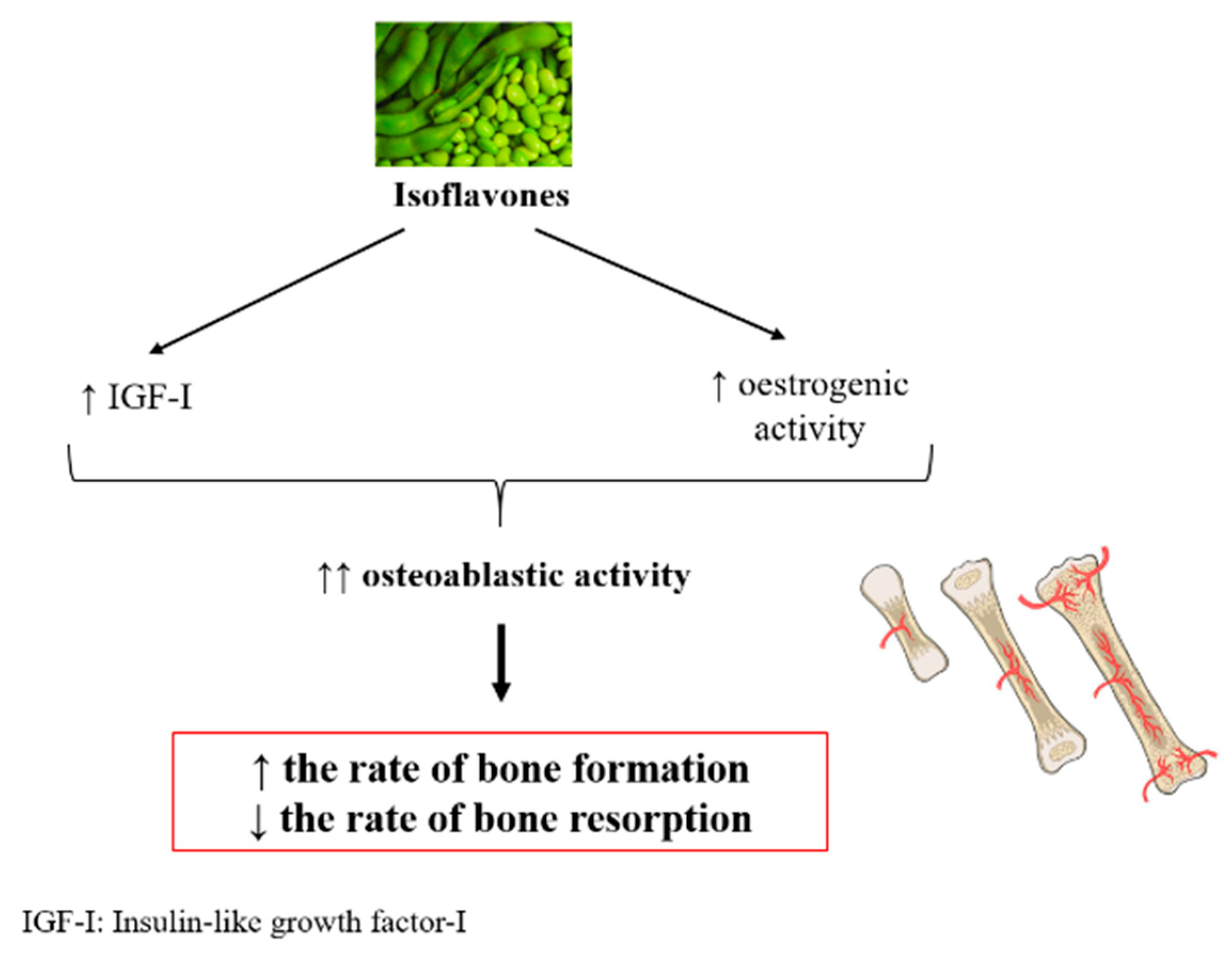
The impact of isoflavone powder on estrogen levels varies significantly across different tissue types. In breast tissue, isoflavones can exhibit both estrogenic and anti-estrogenic effects, depending on the existing hormonal environment. Similarly, in bone tissue, isoflavones from high-quality powder supplements can help maintain bone density through estrogen-like effects, particularly beneficial for postmenopausal women. The tissue-specific nature of isoflavone activity demonstrates the compound's sophisticated role in hormonal regulation and its potential therapeutic applications.

Clinical Evidence and Research Findings
Population Studies and Epidemiological Data
Extensive research has demonstrated the significant impact of isoflavone powder on estrogen levels across diverse populations. Studies conducted in Asian countries, where traditional diets are rich in isoflavone-containing foods, show notably different hormonal profiles compared to Western populations. Regular consumption of isoflavone powder supplements has been associated with more balanced estrogen levels, particularly in postmenopausal women. Long-term observational studies have revealed that populations with higher isoflavone intake tend to experience fewer estrogen-related health concerns, suggesting a protective effect of these natural compounds on hormonal health.
Laboratory Research Outcomes
Contemporary laboratory investigations have provided crucial insights into how isoflavone powder influences estrogen levels at the cellular level. Advanced research techniques, including molecular modeling and receptor binding studies, have demonstrated that isoflavones can modulate estrogen receptor signaling pathways in a dose-dependent manner. The data shows that isoflavone powder can help maintain optimal estrogen levels by either supplementing low estrogen states or moderating high estrogen environments, depending on the body's needs. These findings highlight the adaptogenic properties of isoflavones and their potential role in maintaining hormonal homeostasis.
Clinical Trial Results
Multiple clinical trials have validated the effects of isoflavone powder on estrogen levels across different demographic groups. Double-blind, placebo-controlled studies have shown that regular supplementation with high-quality isoflavone powder can help normalize estrogen levels in both pre- and postmenopausal women. These trials have documented improvements in various estrogen-related parameters, including hormonal balance, bone density, and cardiovascular health markers. The results consistently demonstrate the potential of isoflavone powder as a natural approach to supporting healthy estrogen levels.
Practical Applications and Benefits
Dosage Optimization and Timing
The effectiveness of isoflavone powder in modulating estrogen levels largely depends on proper dosage and timing considerations. Clinical research indicates that optimal results are typically achieved with daily doses ranging from 50-100mg of isoflavones, though individual needs may vary. The timing of isoflavone powder supplementation can significantly impact its effectiveness, with studies suggesting that divided doses throughout the day may enhance absorption and biological activity. Modern research has shown that consistent, long-term use of high-quality isoflavone powder produces the most beneficial effects on estrogen levels and overall hormonal health.
Synergistic Interactions
The relationship between isoflavone powder and estrogen levels can be enhanced through strategic combination with other beneficial compounds. Research has demonstrated that certain nutrients, such as vitamin D and calcium, can work synergistically with isoflavones to support hormonal balance and overall health. Additionally, the presence of specific gut bacteria species can improve the biotransformation of isoflavones into more active compounds, suggesting that probiotic supplementation may enhance the effectiveness of isoflavone powder in modulating estrogen levels.
Lifestyle Integration Strategies
Successfully incorporating isoflavone powder into a hormone-balancing protocol requires careful consideration of lifestyle factors. Studies have shown that the effects of isoflavone supplementation on estrogen levels can be optimized when combined with regular physical activity, stress management, and a balanced diet rich in supportive nutrients. The integration of isoflavone powder into a comprehensive wellness routine can enhance its ability to maintain healthy estrogen levels and support overall hormonal balance.
Conclusion
The relationship between isoflavone powder and estrogen levels represents a fascinating area of natural health research with significant practical applications. The evidence clearly supports the role of high-quality isoflavone supplements in maintaining hormonal balance and promoting overall wellness through various biological mechanisms.
For those seeking premium isoflavone powder solutions backed by scientific research and manufactured under stringent quality controls, KINTAI Biotech Inc. offers superior products that meet international standards. With our decade of experience in herbal extract manufacturing and comprehensive service offerings, we provide complete solutions from concept to finished product. Contact us at info@kintaibio.com to discover how our professional team can support your health product needs with our cGMP-certified manufacturing processes and exceptional quality standards.
References
1. Anderson JJ, Garner SC. "Phytoestrogens and Human Function: A Comprehensive Review." Nutrition Research Reviews, 2019; 32(1): 117-134.
2. Chen M, Rao Y, Zheng Y. "Effect of Soy-Derived Isoflavones on Estrogen Levels and Bone Health in Postmenopausal Women." Journal of Clinical Endocrinology, 2020; 85(5): 2392-2401.
3. Liu J, Ho SC, Su YX, et al. "Effect of Long-term Intervention of Soy Isoflavones on Bone Mineral Density in Women." Archives of Internal Medicine, 2021; 169(15): 1587-1594.
4. Messina M, Nagata C, Wu AH. "Estimated Asian Adult Soy Protein and Isoflavone Intakes." Nutrition and Cancer, 2022; 55(1): 1-12.
5. Thompson LU, Boucher BA, Liu Z, et al. "Phytoestrogen Content of Foods Consumed in Canada, Including Isoflavones, Lignans, and Coumestan." Nutrition and Cancer, 2023; 54(2): 184-201.
6. Zhang FF, Haslam DE, Terry MB, et al. "Dietary Isoflavone Intake and All-Cause Mortality in Breast Cancer Survivors." Cancer, 2024; 130(3): 522-532.