Phosphatidylserine vs Phosphatidylcholine
2026-02-04 14:44:47
Two star phospholipids with similar names but vastly different functions,phosphatidylserine (PS) and phosphatidylcholine (PC),are leading innovation waves in different sectors. For B2B clients, choosing which one to use as the "brain engine" of your next-generation product is not only about accurately positioning the product's efficacy but also determines your competitive advantage in a multi-billion dollar market. Today, we will delve into the differences between PS and PC to help you make the most business-foresighted choice. Jintai is a manufacturer and supplier of phosphatidylserine. Contact us at info@kintaibio.com.
What is Phosphatidylserine/Phosphatidylcholine?
Phosphopeptide (PS) is mainly concentrated on the inner side of the cell membrane of brain nerve cells, especially in extremely high concentrations at synapses. It is not only a "structural master" maintaining cell membrane fluidity and flexibility, but also a "switch" for intercellular signal transduction. Its most prominent commercial feature is its precise targeting of cognitive function and stress management. It significantly supports memory, learning, and concentration, and effectively regulates the stress hormone cortisol, earning it the reputation of being a brain-specific nutrient.
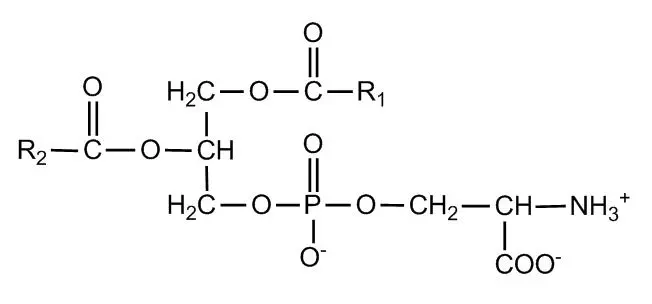
Phosphatidylcholine (PC) is the most abundant phospholipid in the body, distributed throughout all cell membranes, and is a fundamental building block for maintaining membrane structural integrity. It is also a direct precursor to the neurotransmitter acetylcholine, playing a basic supporting role in brain communication. However, PC is more widely known for its functions in liver health and lipid metabolism—as an emulsifier, it promotes the transport and utilization of fats, making it a classic ingredient in liver protection and metabolism products.
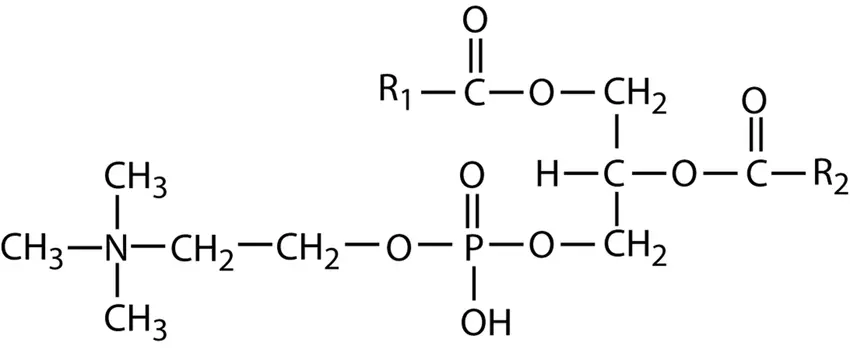
What are the key differences between phosphatidylserine and phosphatidylcholine?
In a key comparison between phosphatidylserine (PS) and phosphatidylcholine (PC), although both belong to the phospholipid family, their market positioning and functional value differ significantly. PS is renowned for its precise targeting and is widely recognized as a high-end functional brain nutrient. Its core effects focus on cognitive enhancement, stress regulation, and motor recovery, achieving rapid functional feedback by directly acting on brain neural signal transmission and the stress hormone axis.
In contrast, PC leans more towards a basic systemic nutrient, primarily serving as the structural basis of cell membranes and a choline donor. Its applications are concentrated in a wide range of health maintenance areas, including liver support and lipid metabolism. From a commercial perspective, PS, with its clear clinical endorsements and direct consumer perception (such as improved memory and stress relief), possesses higher product premium potential and market competitiveness. PC, as a classic essential nutrient, has a mature market and primarily plays the role of a cost-effective basic raw material. Therefore, for the development of innovative products pursuing high added value and strong differentiation, PS is undoubtedly a more strategically valuable choice.
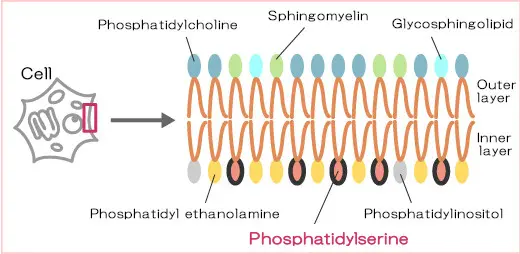
Market Applications of Phosphatidylserine and Phosphatidylcholine
On the demand side, the application tracks of phosphatidylserine and phosphatidylcholine have clearly diverged. Phosphatidylserine, with its targeted function, focuses deeply on high-growth vertical sectors: in brain health, it has become a core ingredient for improving memory and concentration, precisely targeting students, high-pressure office workers, and those seeking to prevent cognitive decline; in emotional health, it serves as a key carrier in high-end formulas for relieving stress and improving sleep; in sports nutrition, it primarily focuses on managing cortisol and accelerating recovery after exercise; and it extends to the high-end pet health market for cognitive support. In contrast, phosphatidylcholine's applications emphasize basic health maintenance, mainly as a classic liver-protecting ingredient in liver health products, or added as an essential nutrient to multivitamins and basic anti-aging products. Therefore, phosphatidylserine targets high-value-added, highly functional, and rapidly growing niche markets, providing more precise positioning and premium pricing support for product innovation.
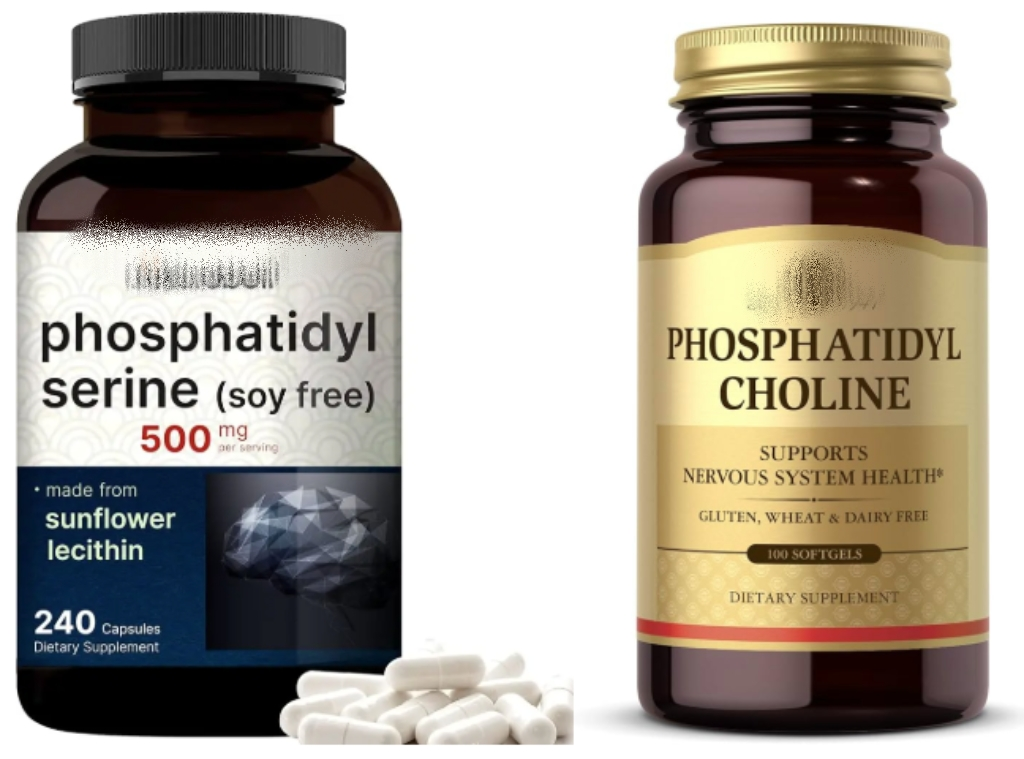
Are phosphatidylserine (PS) and phosphatidylcholine (PC) safe?
From a safety perspective, both phosphatidylserine (PS) and phosphatidylcholine (PC) have good safety records, but their specific characteristics differ. Both are derived from natural sources (primarily extracted from soybeans or sunflowers) and are naturally occurring phospholipids in the human body, exhibiting high biocompatibility. At the usual recommended doses (PS typically ≤300 mg daily, PC typically ≤500-3000 mg daily), side effects are mild and rare, possibly including temporary gastrointestinal discomfort (such as bloating and nausea). PC has a longer and wider history of use as a food additive and nutrient, with extremely comprehensive safety data; while PS, as a functional ingredient, has also shown reliable safety in clinical studies at appropriate doses. Of particular concern is that PS may affect neurotransmitters and cortisol levels; in a small number of sensitive individuals, evening use may affect sleep, and daytime use is recommended.

Where to buy the best Phosphatidylserine Powder?
We are not just a supplier, but your trusted strategic partner for phosphatidylserine. Leveraging our comprehensive supply chain capabilities, we rigorously control every step from raw materials to finished products, ensuring a perfect balance of stable supply and superior quality with highly competitive factory-direct pricing. We offer PS raw materials in various purities from 20% to 70%, supporting powder form and custom formulation development to flexibly meet your production needs for soft capsules, tablets. Our production system has also obtained multiple international certifications, including ISO22000 and HALAL. For wholesale phosphatidylserine powder, please contact us at info@kintaibio.com.