What are the Side Effects of Mangiferin?
2023-12-11 18:26:32
In the field of functional ingredients, mangiferin has emerged as a rising star due to its powerful antioxidant and anti-inflammatory effects, and is widely used in health supplements, beverages, and even skincare products. However, any active substance is a double-edged sword, and mango leaf extract is no exception. Understanding its potential side effects is crucial for its safer and more scientific use. Let's objectively discuss the possible physical reactions and precautions that may arise from excessive or inappropriate use of it.
Healthkintai is a leading manufacturer and supplier of mango leaf extract. If you require 15%, 95%, or 98% mangiferin (other specifications can be customized), please feel free to contact us at health@kintaibio.com.
Is Mangiferin Toxic?
Based on current scientific evidence, Mango leaf extract is considered a low-toxicity, relatively safe natural compound. Ingestion from everyday foods, such as mangoes and bananas, is perfectly safe, with no concerns about toxicity.
However, "non-toxic" is relative and closely related to dosage. At extremely high doses, such as in animal studies far exceeding therapeutic levels, it has shown potential toxicity risks, with the kidneys being its primary target organ. Studies have shown that long-term or excessive intake may lead to renal tubular damage or abnormal renal function in experimental animals. This is believed to be due to the large accumulation of it and its metabolites in the kidneys.
Furthermore, mangiferin may interact with other drugs by affecting drug-metabolizing enzymes in the liver (such as cytochrome P450), potentially affecting the efficacy or toxicity of co-administered drugs.
Does Mangiferin Effects on the Digestive System?
Mango leaf extract, as a natural active ingredient, has garnered significant attention for its health benefits. However, like many bioactive substances, it can also cause adverse reactions at high doses, with gastrointestinal reactions being the most common side effect.
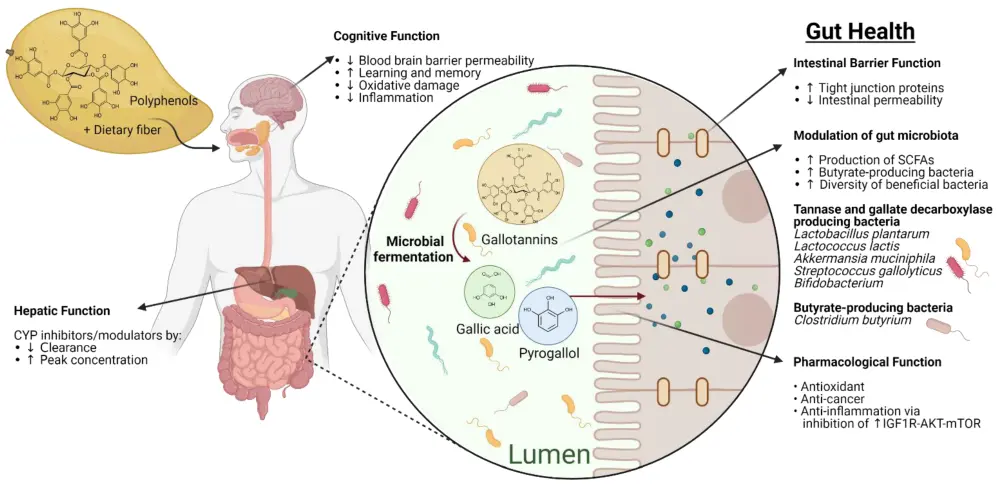
When the ingested dose exceeds an individual's tolerance level, the extract acts directly on the digestive tract, altering intestinal motility. Specifically, it may accelerate the passage of intestinal contents, reduce water reabsorption, and lead to mild diarrhea in some sensitive individuals. Simultaneously, the regulatory effect of it on the gut microbiota may initially cause temporary changes in the microecological balance, manifesting as abdominal bloating, mild cramps, or abdominal discomfort. These symptoms are usually dose-dependent and exhibit significant individual variability—those with weaker intestinal function or irritable bowel syndrome are more prone to these reactions.
It is worth noting that these gastrointestinal reactions are mostly temporary and self-limiting. The risk of such discomfort can be significantly reduced by taking it with meals, starting with low doses to gradually build tolerance, or choosing MGF products treated with special formulation technologies (such as cyclodextrin inclusion complexation). Consumers are advised to use it rationally under professional guidance to ensure maximum safety while obtaining health benefits.
Contact us for more details>>>
Drug Interactions of Mangiferin
The potential risks associated with drug interactions of mangiferin warrant serious attention. These risks primarily stem from the complex effects of MGF on the body's drug-metabolizing enzyme systems.
Studies have shown that mangiferin may inhibit the cytochrome P450 enzyme system in the liver, particularly isoenzymes such as CYP3A4 and CYP2C9. These enzymes are crucial for the metabolism of many drugs in the body; inhibition of their activity slows the clearance rate of drugs metabolized through this pathway, leading to abnormally high blood drug concentrations and increasing the risk of adverse drug reactions.
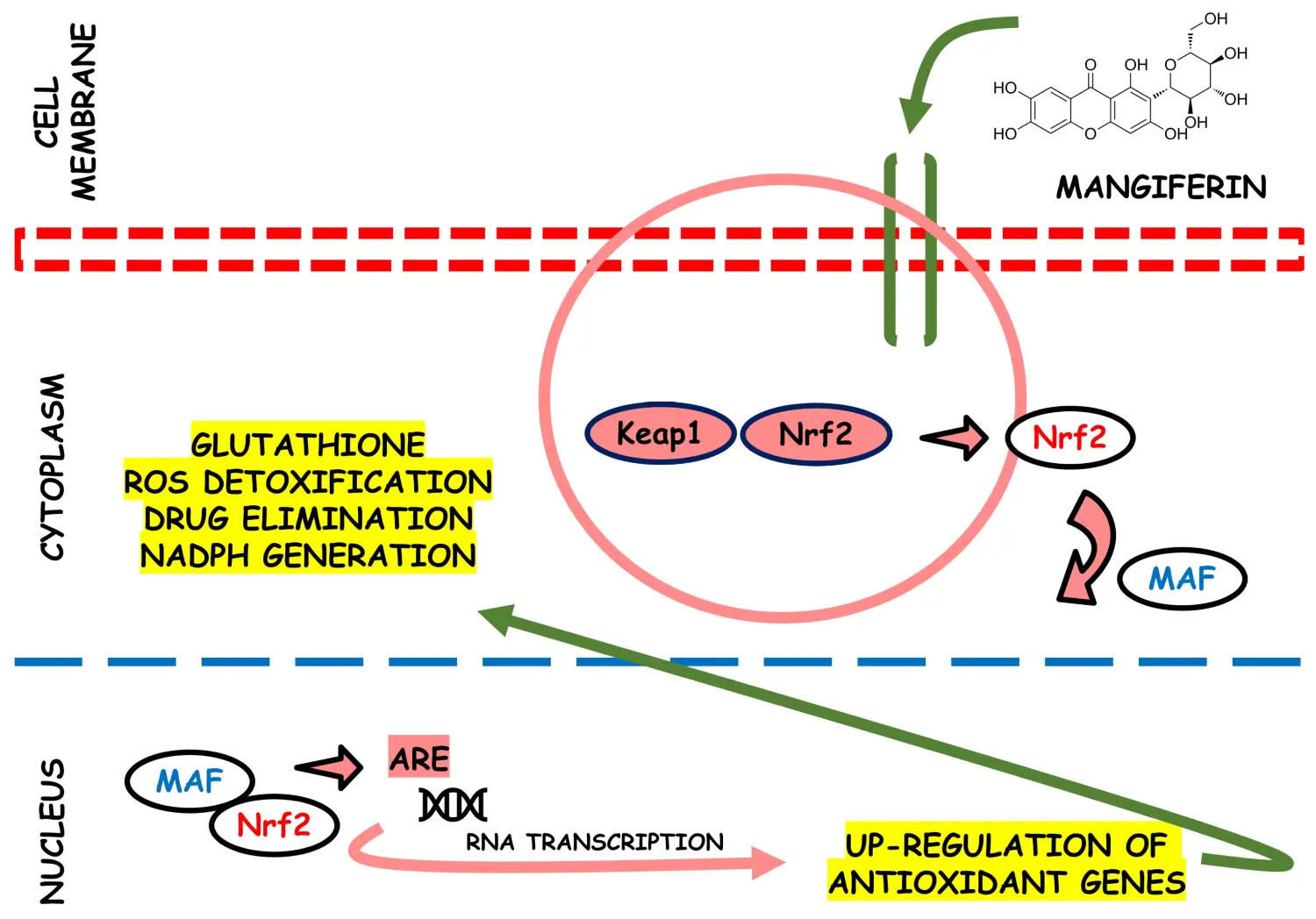
Mangiferin may produce clinically significant interactions when used in combination with certain drugs. First, co-administration with anticoagulants (such as warfarin) may enhance their anticoagulant effect, increasing the risk of bleeding. Second, co-administration with hypoglycemic agents may produce a synergistic hypoglycemic effect, triggering hypoglycemic events. Furthermore, interactions with certain antihypertensive drugs and immunosuppressants (such as tacrolimus) may also affect therapeutic efficacy.
Patients who take prescription drugs long-term, especially those with cardiovascular disease, diabetes, or who have undergone organ transplantation, must consult a doctor or pharmacist for a professional medication risk assessment before considering the use of health products or medications containing it, in order to avoid adverse drug interactions.
High Doses Risks
When the ingested dose far exceeds the effective physiological concentration (e.g., in some rat experiments, the dose consistently exceeds several hundred mg/kg body weight), abnormal liver and kidney indicators or histopathological changes may be observed. These signs of toxicity are thought to be related to the accumulation of extremely high concentrations of the active ingredient in the body, potentially exceeding the normal processing capacity of metabolic organs, thereby triggering oxidative stress or metabolic disorders. The upper limit of the "safe dose window" has not yet been clearly established in humans. This knowledge gap warns us to avoid blindly pursuing excessively high doses for "therapeutic effects," especially for individuals with pre-existing liver or kidney dysfunction. Consulting a professional before long-term use is a crucial step in ensuring safety.

Precautions for Special Populations Using Mangiferin
1.Pregnant and Lactating Women
There is currently a lack of sufficient safety studies for this population. To avoid unknown risks, it is recommended to completely avoid the use of mangiferin supplements during pregnancy and lactation to prevent potential effects on fetal development or the infant.
2.Infants and Children
Children's liver and kidney function and metabolic system are not fully developed, and their tolerance to it differs from that of adults. In the absence of clear data on pediatric dosage and safety, it is not recommended to administer related supplements to children without medical advice.
3.Elderly Individuals
Elderly individuals often experience natural decline in liver and kidney function and may be taking multiple medications simultaneously. Before considering use, it is essential to consult a doctor to assess their liver and kidney function and rule out potential interactions with existing medications (such as hypoglycemic agents and anticoagulants).
4. Persons with Impaired Liver and Kidney Function
The metabolism and excretion of mangiferin depend on the liver and kidneys. For patients with pre-existing liver or kidney disease, the use of the extract may increase the burden on their organs and should be strictly prohibited until a professional evaluation is completed under the guidance of a doctor.

Recommended Dosage of Mangiferin
There are currently no "safe dosage standards" from the FDA or the Chinese Pharmacopoeia of Mango leaf extract. The following information is for recommended dosage only. Please consult your doctor or formulator for specific usage.
|
Aspect |
Details |
Rationale & Context |
|
Typical Supplemental Dosage |
100 mg to 300 mg per day |
This range is commonly used in human clinical studies and commercial supplements for its antioxidant and anti-inflammatory effects. It is generally well-tolerated for short to medium-term use. |
|
Clinical Study Dosage |
Up to 600 mg per day |
Higher doses within this range have been investigated in specific clinical trials for metabolic and inflammatory conditions. Use at this level should be supervised by a healthcare professional. |
|
Dosage for Enhanced Bioavailability Forms (e.g., MLES) |
Potentially lower (e.g., 50-150 mg) |
Salified forms like MGF Monosodium Salt (MLES) have dramatically higher solubility and bioavailability (AUC 2.44x higher), meaning a lower dose can achieve similar physiological effects. |

Where to Buy Mangiferin?
Healthkintai® is a leading manufacturer and supplier in the plant extraction industry, distinguished by our competitive advantages, which include a mature R&D team, a GMP-compliant factory, a large inventory, and complete certifications. We offer essential core services such as OEM&ODM support, fast delivery, and tight packaging to ensure that our clients receive a good mangiferin price tailored to their needs. Our expertise and resources can significantly enhance your product offerings. For more details, please contact us at info@kintaibio.com.
Reference:
https://en.wikipedia.org/wiki/Mangiferin
https://pmc.ncbi.nlm.nih.gov/articles/PMC5414237/