What’s the diffesence between Dihydroquercetin and Quercetin?
2025-11-13 15:07:37
In this era filled with oxidative stress, the fast-paced, highly polluted lifestyle causes our bodies to "rust" like apples exposed to air for extended periods. The importance of natural antioxidants in combating free radicals and protecting healthy cells is self-evident.Among them, quercetin, and dihydroquercetin have similar names and deep origins, but what are the differences? Faced with these "antioxidant twins," how should we make an informed choice?
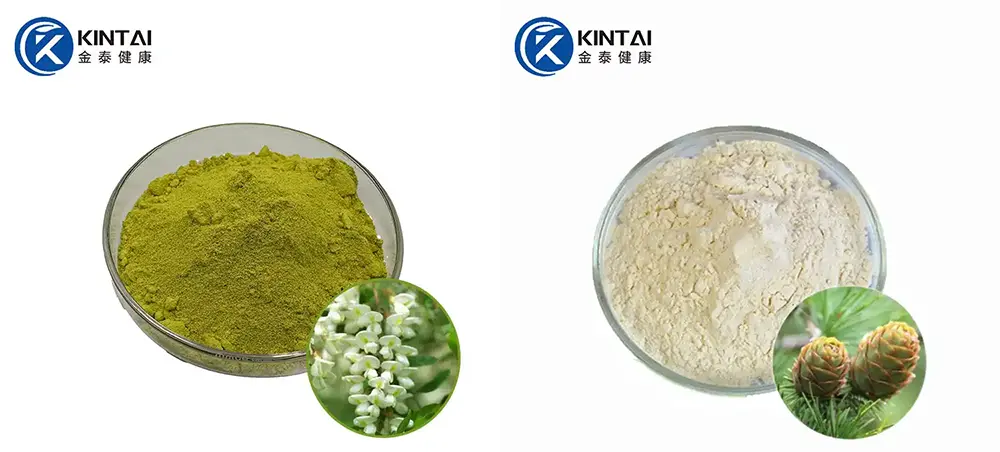
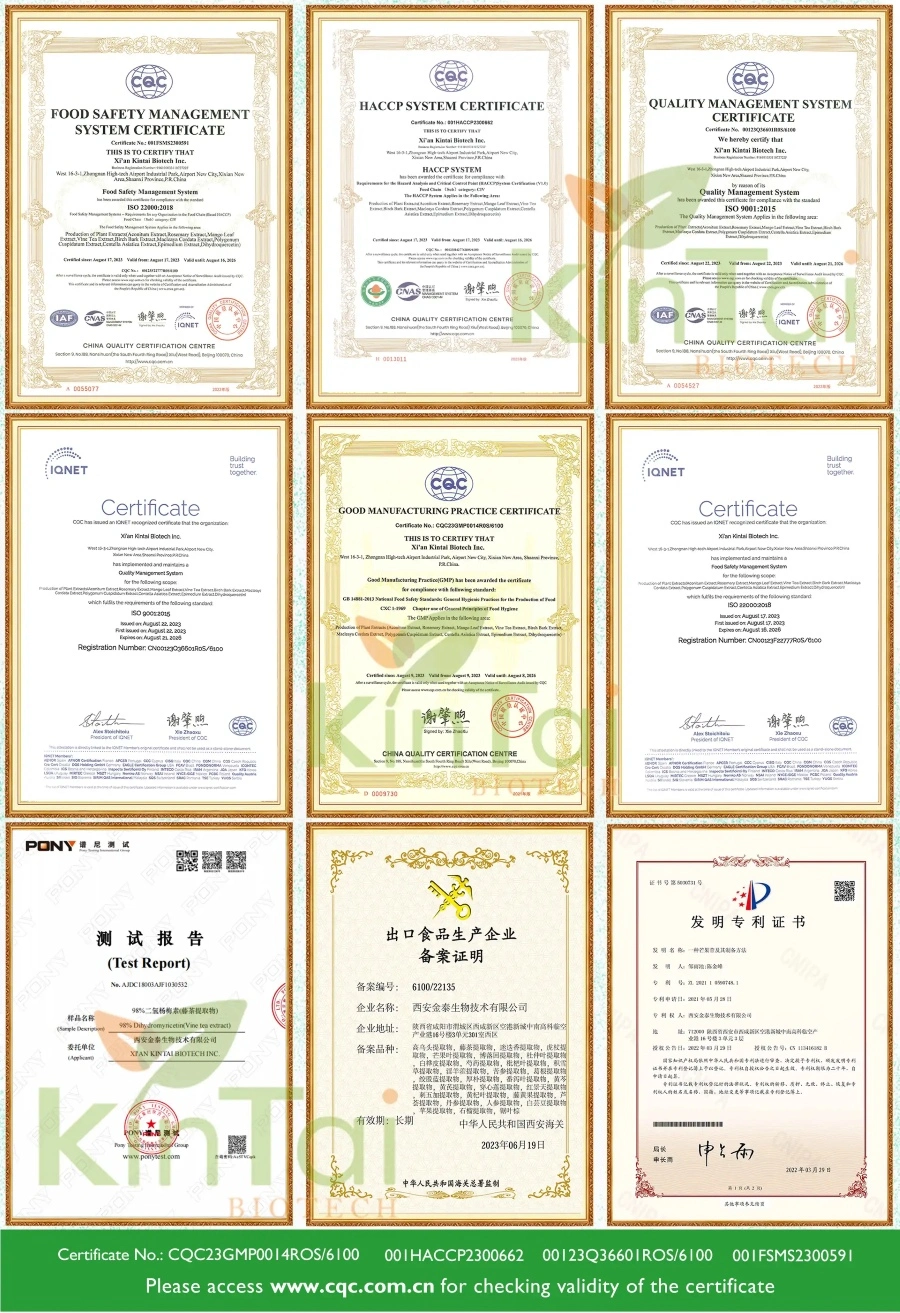
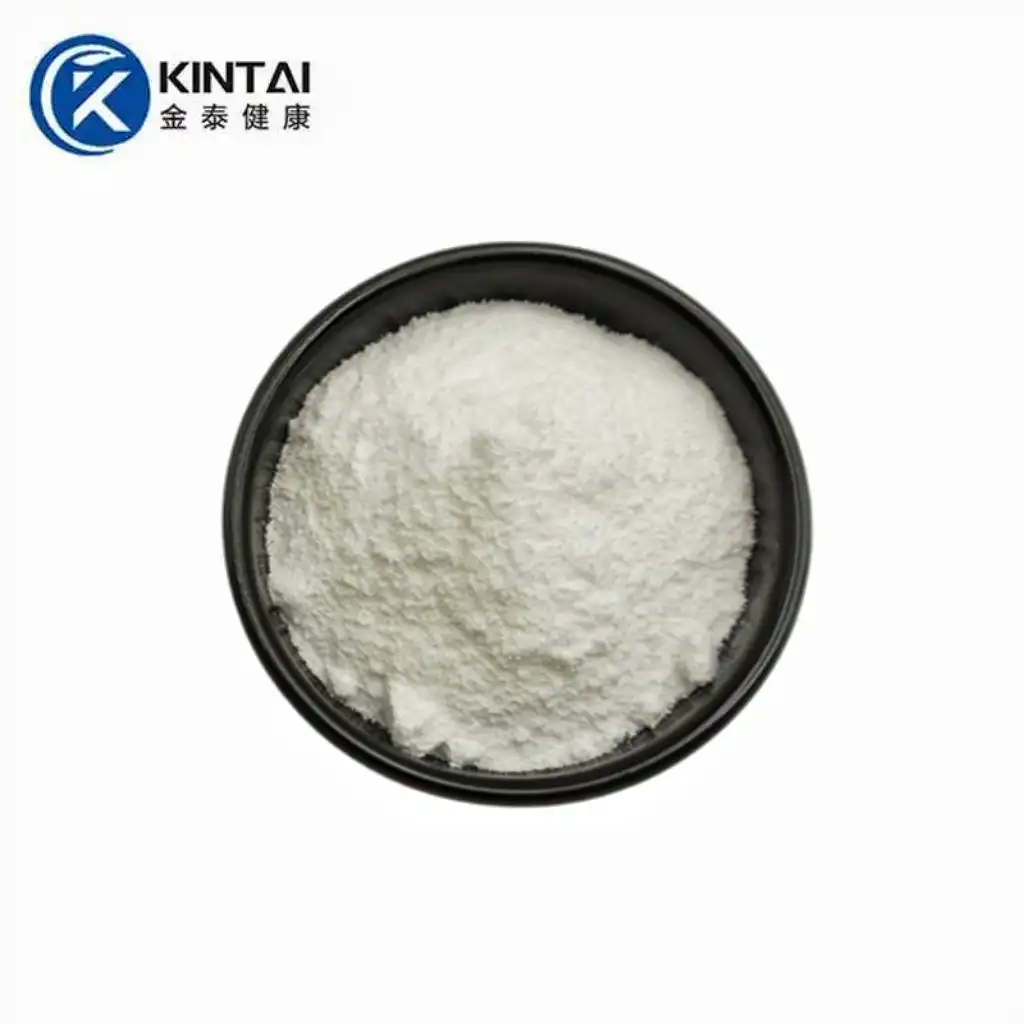
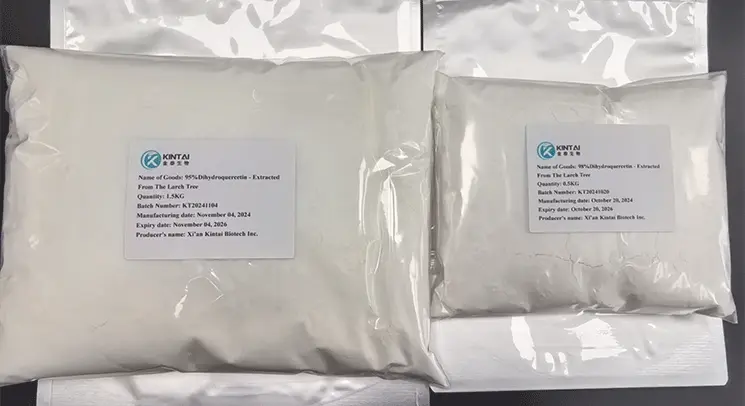
Dihydroquercetin is one of Kintai's popular products. Our dihydroquercetin is derived from natural sources, with a purity of up to 98%, making it your best choice for purchasing dihydroquercetin. Welcome to contact us at health@kintaibio.com.
What is Quercetin/Dihydroquercetin?
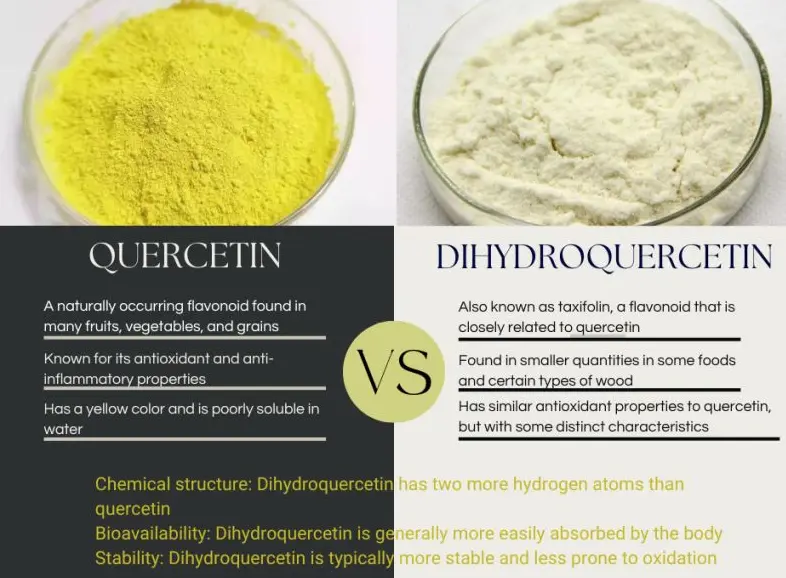
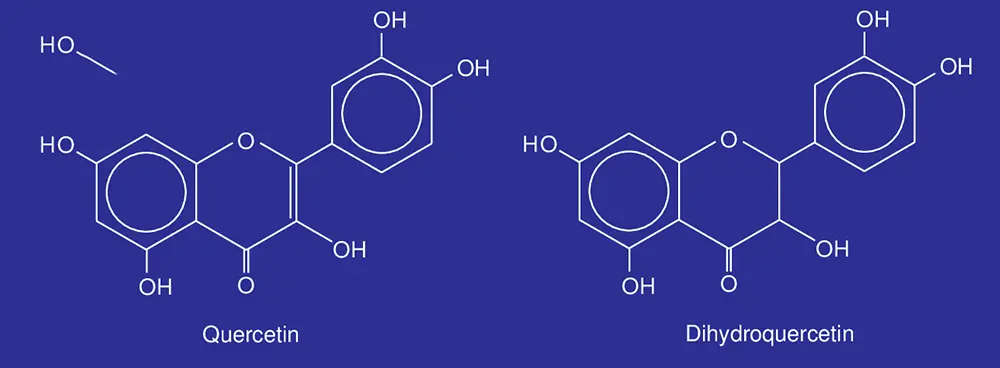
Quercetin is a flavonoid compound widely found in natural plants, belonging to the flavanol family. It is one of the most common flavonoids in the human diet, abundant in everyday fruits and vegetables such as onions, apples, broccoli, berries, and tea. The core feature of quercetin's molecular structure is its unsaturated carbon-carbon double bond and carbonyl group on its C-ring. This structure makes it a powerful natural antioxidant, effectively neutralizing free radicals in the body. Due to its outstanding antioxidant, anti-inflammatory, and cell membrane-stabilizing abilities, quercetin is hailed as a "natural anti-inflammatory drug" and has been extensively researched and applied in dietary supplements and health maintenance for decades, making it one of the most well-known flavonoid stars.
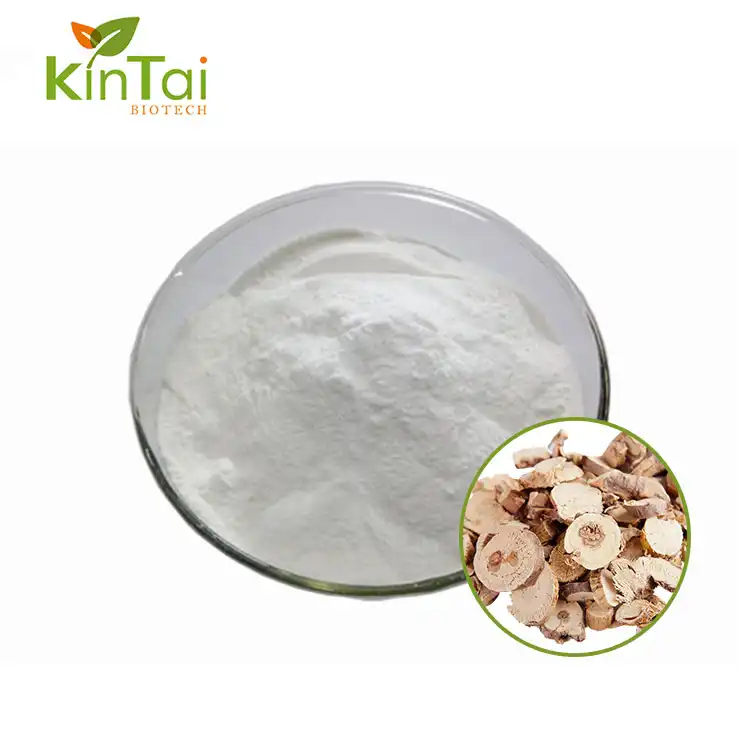
Dihydroquercetin, chemically known as a hydrogenated derivative of quercetin, is also called larvicin or piperidine. Its most fundamental difference from quercetin lies in the fact that the carbon-carbon double bond on its C-ring is saturated, with two hydrogen atoms added through a hydrogenation reaction. This crucial structural modification transformed it from a planar, rigid molecule of quercetin into a more three-dimensional, saturated structure. This change resulted in a significant improvement in properties: dihydroquercetin not only inherited the antioxidant properties of quercetin but also, due to its unique molecular conformation, possessed both water and lipid solubility, greatly enhancing its ability to penetrate cell membranes and resulting in a much higher bioavailability than quercetin. Primarily derived from precious plants such as the bark of Russian larch, it is considered an "advanced" or "bio-enhanced" version of quercetin due to its highly efficient absorption and gentler properties, making it highly sought after in the high-end nutrition and skincare fields.
What's the differene between quercetin and dihydroquercetin?
Quercetin is one of the most abundant flavonoids in the human diet, sourced from common foods like onions, apples, broccoli, and berries. Its primary challenge, however, is its low and highly variable bioavailability. Being poorly soluble in water, it is not easily absorbed by the body. To mitigate this, supplement forms often use advanced formulations such as liposomal or complexed versions with phospholipids. Due to its wide availability and extensive research, quercetin is a mainstream supplement found in general wellness formulas aimed at supporting immune health, reducing inflammation, and managing seasonal allergies.
In contrast, dihydroquercetin (DHQ), also known as taxifolin, is rarer in nature, primarily extracted from the heartwood of Siberian larch or Douglas fir trees. Its key advantage lies in its superior bioavailability. The hydrogenated structure of DHQ makes it more soluble and stable, allowing it to be absorbed more efficiently without the need for specialized delivery systems. This high bioavailability positions DHQ as a premium ingredient in advanced nutraceuticals targeting oxidative stress and liver health, as well as in high-end cosmeceutical products where its potent antioxidant activity helps protect the skin from aging.
Benefits of Quercetin&Dihydroquercetin
The benefits of quercetin:
- Powerful antioxidant, neutralizes free radicals
- Anti-inflammatory, supports immune health
- Helps stabilize mast cells and relieve allergies
- Supports cardiovascular and metabolic health
The benefits of dihydroquercetin:
- Stronger antioxidant potency, longer-lasting protection
- Anti-inflammatory and combats cell apoptosis
- Particularly effective in protecting the liver and against chemically induced liver damage
- Synergistically enhances vitamin C activity and boosts collagen synthesis
Which one should I choose: quercetin or dihydroquercetin?
When choosing between quercetin and dihydroquercetin, the key is to clearly define your personal health goals and needs.
If you prioritize cost-effectiveness, focusing on basic daily antioxidant and health maintenance, or your primary goal is to alleviate seasonal allergy symptoms, then classic and well-researched quercetin is a reliable choice. Just note that to improve its absorption efficiency, it's best to choose a formula combined with bromelain or vitamin C.
Conversely, if you seek higher efficiency and more noticeable results, and have a larger budget, then dihydroquercetin is a superior, more advanced option. It's particularly suitable for those particularly concerned about liver health and seeking targeted protection, and because it's gentler on the gastrointestinal tract, it's more tolerated by those with sensitive stomachs. Furthermore, its high bioavailability is fully utilized in high-end skincare and professional sports nutrition.
A vivid analogy is: quercetin is like "economy class," safely and reliably transporting you to your health destination; while dihydroquercetin is like "business class," offering a more comfortable and efficient journey, providing an upgraded experience. Choose your health partner wisely based on your "journey" needs.
KINTAI Dihydroquercetin
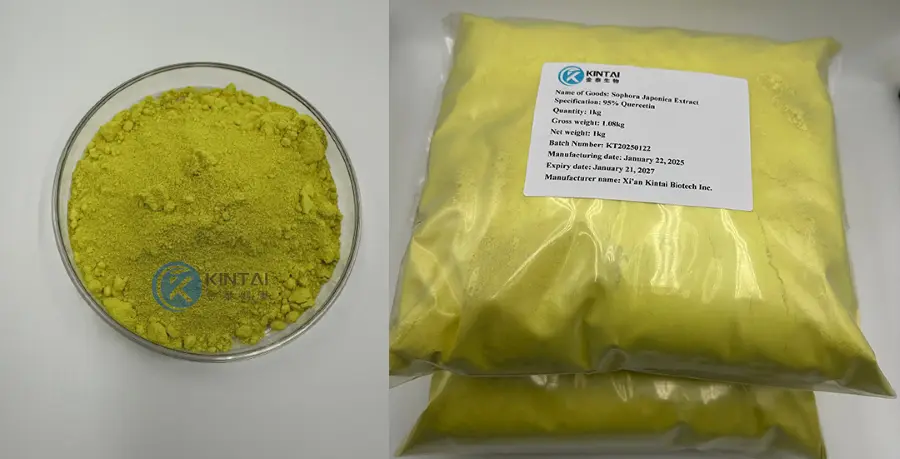
Healthkintai® can provide you with high-quality quercetin and dihydroquercetin. We have a professional team that can provide customized services according to your needs.To get more details, please feel free to contact us at health@kintaibio.com.