What's the side effects of taxifolin?
2025-11-14 15:23:56
What are the side effects of taxifolin? In today's health-conscious world, we all yearn to find the most natural protection for our bodies. Antioxidant has become a keyword for modern people seeking vitality. Beyond these familiar "super ingredients," a name called dihydroquercetin (Taxifolin) is quietly gaining popularity in the nutrition community for its remarkable efficacy, hailed by many experts as a new generation of antioxidant star. Healthkintai® is a manufacturer and supplier of 98%dihydroquercetin; please feel free to contact us at health@kintaibio.com.
However, an unavoidable question arises: when an ingredient is labeled powerful, we instinctively harbor doubts—is it truly safe? Behind its efficacy, are there hidden side effects? Today, let's dispel the fog and fully analyze the true nature of dihydroquercetin.
DHQ Common and Mild Side Effects
Based on current scientific literature and user reports, dihydroquercetin (DHQ), also known as taxifolin, is generally considered very safe and well-tolerated at recommended dosages. It is a naturally occurring flavonoid with a favorable safety profile. However, like any bioactive compound, some individuals may experience mild and uncommon side effects, primarily related to the digestive system.
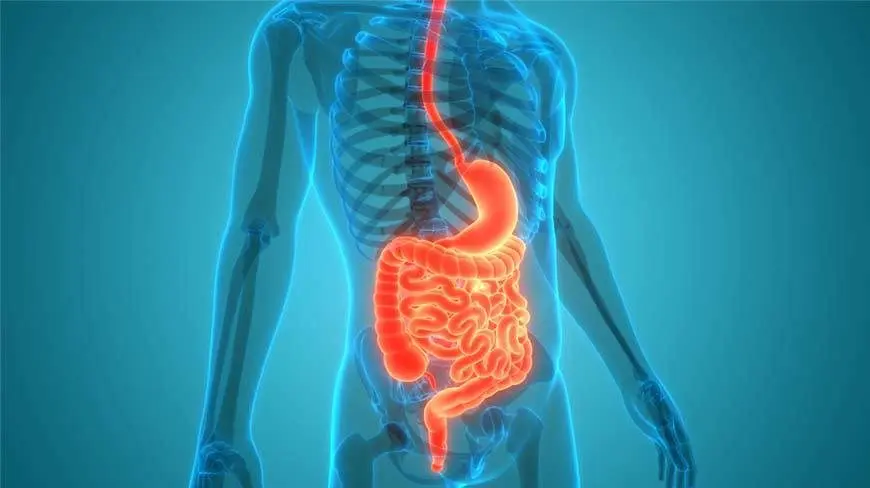
The most frequently reported side effects, though rare, can include mild gastrointestinal discomfort. This may manifest as:
-
Nausea
-
Stomach upset
-
Diarrhea
These effects are typically transient and often subside as the body adjusts, or when the supplement is taken with food. Due to the limited data on long-term, high-dose supplementation in humans, it is consistently recommended to adhere to the manufacturer's dosage instructions and consult a healthcare professional before starting any new supplement regimen, especially for pregnant or breastfeeding women and individuals with pre-existing medical conditions or those taking other medications.
(Reference: https://precision.fda.gov/uniisearch/srs/unii/9sob9e3987)
Interested? Contact us to get a quote>>>
Drug Interaction of taxifolin(TAX)
Taxifolin (dihydroquercetin) has the potential to interact with certain medications, primarily through its influence on key drug-metabolizing enzymes and biological pathways. The most significant theoretical interactions are as follows:
1.Interaction with Blood Thinners (Anticoagulants/Antiplatelets): This is the most critical concern. Taxifolin may inhibit platelet aggregation, meaning it could potentially "thin the blood." If taken concurrently with medications like warfarin (Coumadin), clopidogrel (Plavix), aspirin, or other NSAIDs, it could increase the risk of bleeding and bruising. Patients on such therapies should exercise extreme caution and consult a healthcare provider.
2.Interaction with Drugs Metabolized by CYP Enzymes: Taxifolin has been shown in some in vitro (test tube) studies to inhibit certain cytochrome P450 enzymes, particularly CYP2C8 and CYP2C9. These enzymes are responsible for metabolizing a wide range of common drugs.Inhibition of these enzymes could potentially lead to increased blood levels of these drugs, enhancing both their therapeutic effects and side effects.
3.Interaction with Chemotherapy and Other Drugs: Due to its strong antioxidant and potential enzyme-modulating activities, there is a theoretical concern that taxifolin could interfere with the oxidative stress-based mechanism of certain chemotherapy drugs. The net effect is unpredictable and requires medical supervision.
Potencial Risks of Dihydroquercetin
While dihydroquercetin (DHQ) is generally regarded as safe and well-tolerated at standard supplemental doses, a comprehensive understanding of its potential risks is crucial for informed usage. The primary concern revolves around its potent antioxidant properties, which, while beneficial in neutralizing free radicals, could theoretically induce a "pro-oxidant" effect under specific conditions, such as in the presence of high metal ion concentrations, potentially leading to cellular damage.
Furthermore, the most significant documented risk involves its potential to modulate drug metabolism. Preliminary in vitro studies suggest DHQ may inhibit certain cytochrome P450 enzymes, notably CYP2C8 and CYP2C9, which are critical for the breakdown of a wide range of pharmaceuticals, including blood thinners like warfarin, the diabetes medication repaglinide, and some anti-cancer drugs. This inhibition could elevate the plasma levels of these co-administered drugs, amplifying their therapeutic effects and, more importantly, their adverse side effects and toxicity.
Consequently, there is a clinically relevant risk of increased bleeding when combined with anticoagulants. Additionally, due to the limited data on its long-term safety and effects in vulnerable populations such as pregnant or breastfeeding women, and individuals with severe liver or kidney impairment, caution is advised for these groups. Therefore, despite its favorable safety profile, consultation with a healthcare professional is imperative before initiating supplementation, particularly for individuals on concurrent medication.
(Reference:Mechanism of Action of Dihydroquercetin in the Prevention and Therapy of Experimental Liver Injury)
Special Populations Precautions
1. Pregnant and Breastfeeding Women
Due to the complete absence of clinical safety data, dihydroquercetin supplementation is not recommended for pregnant or lactating women. The potential effects on fetal development or infant health through breast milk remain unknown, making avoidance the most prudent approach until rigorous studies establish its safety for this demographic.
2. Children and Adolescents
The safety profile of dihydroquercetin has not been established in individuals under 18 years of age. As developing physiological systems may respond differently to bioactive supplements, their use in pediatric populations should be avoided without a pediatrician's consultation and specific pediatric formulation data.
Products Description
| Uses / Population | Recommended Dosage Range | Notes |
|---|---|---|
| General Health & Antioxidant Support | 50 - 150 mg / Per day | This range is commonly used in dietary supplements to provide a baseline level of antioxidant protection. The dosage references the standard supplementation range for flavonoids (such as quercetin) and the lower effective doses used in several preclinical studies on the safety of taxifolin. |
| Higher Doses in Research | 250 - 500 mg / Per day | Higher doses have been used in some preclinical and limited human studies targeting specific health problems (such as exploring its effects on metabolic syndrome, cardiovascular health, or liver function). These doses should be considered under the guidance of a healthcare professional. |
| Special Populations (First-time Users) | 50 mg / Start at 50 mg per day | It is recommended to start with a low dose to assess individual tolerance before gradually increasing the dose. This is based on the general principles of safe use of dietary supplements. |
Reference:https://www.efsa.europa.eu/en/efsajournal/pub/4682
Why choose KINTAI taxifolin?
When choosing dihydroquercetin, Healthkintai is undoubtedly a trustworthy and preferred choice.
Firstly, we insist on natural and pure ingredients; all raw materials are sourced from the unpolluted heartwood of Siberian larch, without any artificial synthetic ingredients, ensuring you ingest the most authentic protective power of nature. Secondly, our quality is internationally recognized; our products have passed multiple international quality system certifications, including ISO and HACCP, as well as rigorous third-party laboratory purity testing. Every batch of products is traceable, allowing you to enjoy globally leading quality standards with peace of mind. Most importantly, we understand personalized health needs and therefore offer flexible and customizable services. Whether it's different purity levels or various packaging formats, we can provide professional solutions based on your research or individual needs.
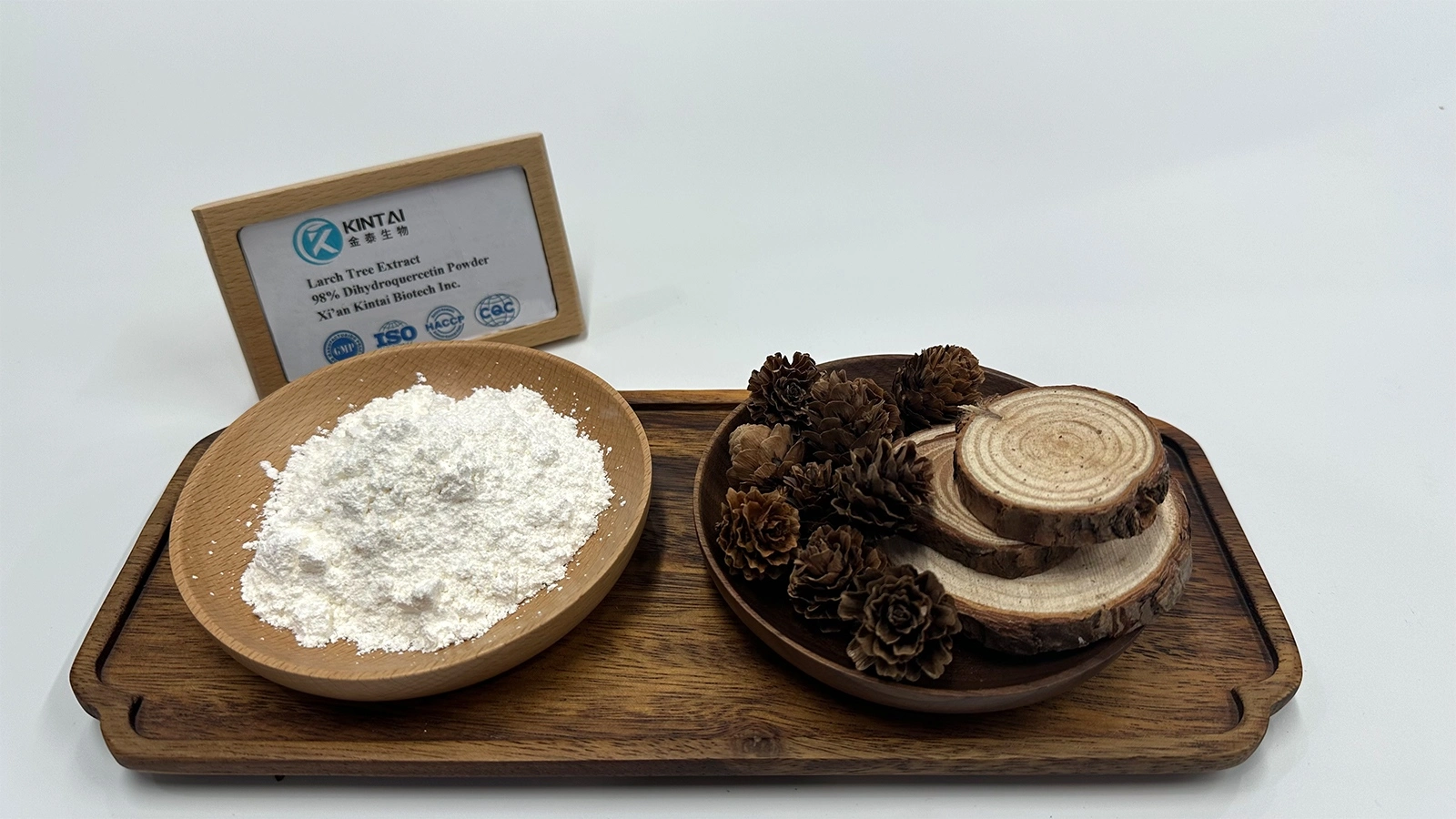
Choosing kintai Taxifolin means choosing a natural, reliable, and personalized health guarantee. Contact us at health@kintaibio.com.
FAQ
Q1:What is taxifolin used for?
A1:Taxifolin, also known as dihydroquercetin, is primarily used as a potent dietary supplement for comprehensive health support. Its main application lies in combating oxidative stress and chronic inflammation through its powerful antioxidant activity, thereby promoting cardiovascular wellness, protecting liver function, and slowing cellular aging. Beyond supplementation, taxifolin serves as a key active ingredient in advanced skincare products, where it helps protect against UV damage and brighten skin tone. Additionally, its pharmacological properties are being investigated for potential use in pharmaceutical preparations, particularly in supporting microcirculation and as an adjuvant in certain therapeutic regimens.
Q2:Is taxifolin the same as quercetin?
A2:No, taxifolin and quercetin are distinct compounds, although they are closely related flavonoids. The key structural difference is that taxifolin (also known as dihydroquercetin) is a saturated molecule, while quercetin is unsaturated. This fundamental difference in their chemical structures leads to variations in their biological activity, bioavailability, and metabolism. While both are potent antioxidants, their mechanisms and potency differ. For instance, quercetin is more widely studied for its anti-allergy and immune-modulating effects, whereas taxifolin is often noted for its particularly strong free radical scavenging ability and potential benefits for liver and cardiovascular health.
Q3:What is the source of taxifolin?
A3:Taxifolin is a naturally occurring flavonoid found in various coniferous trees and certain edible plants. The primary commercial source is Siberian larch wood, which provides a sustainable and concentrated supply. It is also present in notable amounts in other conifers like Douglas fir and cedar. Beyond trees, taxifolin can be found in smaller quantities in several common foods and drinks, including onions, milk thistle, French maritime pine bark, and even in wine. However, for dietary supplements, the extract derived from Siberian larch remains the most prevalent and economically important source due to its high yield and purity.
Reference:
https://www.efsa.europa.eu/en/efsajournal/pub/4682
https://pubchem.ncbi.nlm.nih.gov/compound/Taxifolin
Study suggests taxifolin could be a safe, natural way to aid weight loss
https://www.sciencedirect.com/topics/nursing-and-health-professions/taxifolin