_1765174757325.jpg)
L-Lysine Powder
Purity:99% min l-lysine
Test Method:HPLC
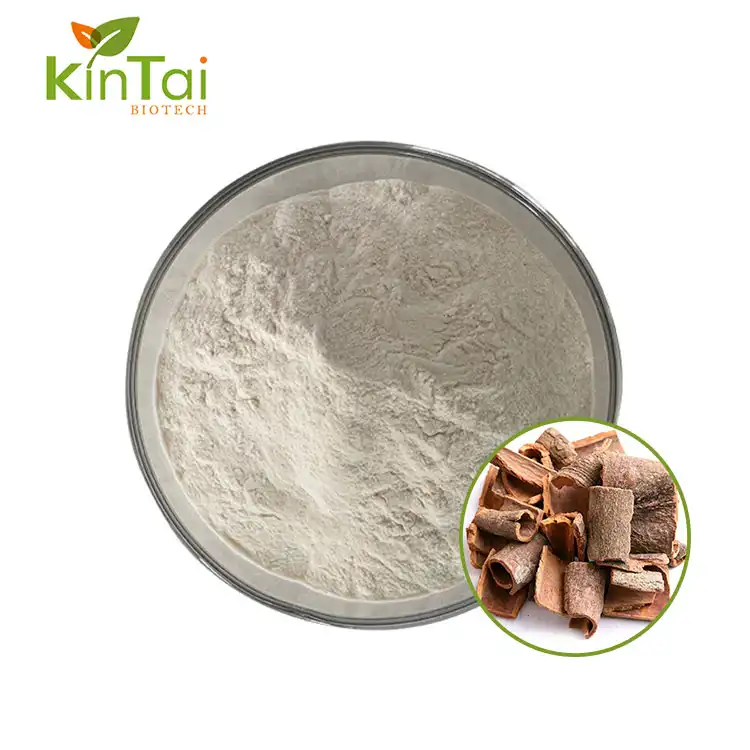
Appearance:White powder
CAS No.:56-87-1
OEM service:Supply the OEM bag and OEM bottle and formula
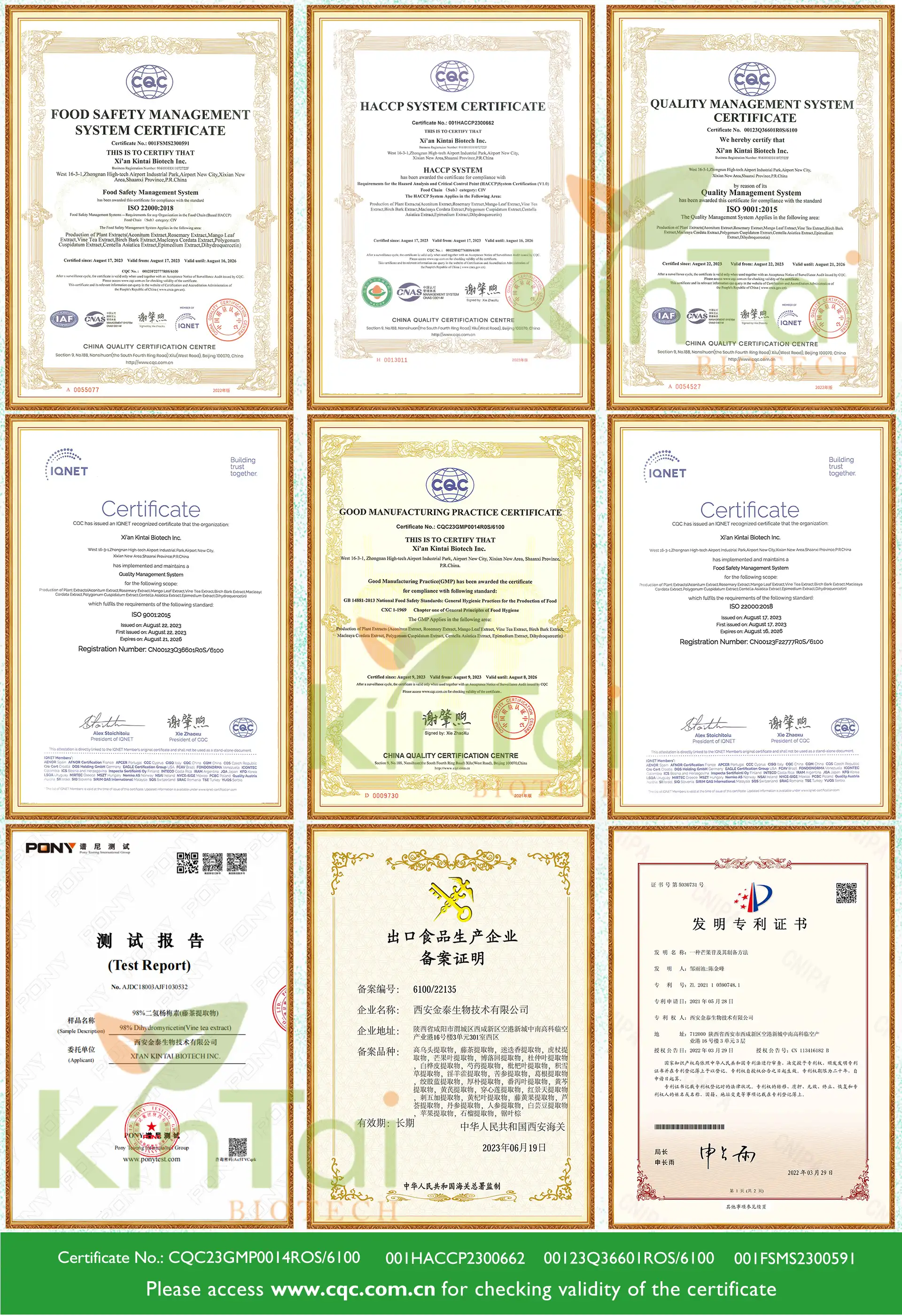
Certifications: GMP, ISO9001:2015, ISO22000:2018, HACCP, KOSHER and HALAL.
MOQ: 1KG
Sample: Free sample available
Production Capacity: 1000KG/month
Delivery Time: Delivery within one day from the warehouse
Shelf Life: 2 years
Payment: T/T
Company Advantage:100,000 level clean production workshop, Non-additive, Non-GMO, Non-Irradiated/treated by heat only
- Fast Delievery
- Quality Assurance
- 24/7 Customer Service
Product Introduction
Best L-Lysine Powder Manufacturers and Suppliers
L-Lysine is an essential amino acid that organisms cannot synthesize on their own and must obtain from food or feed. Its main functions include: serving as a core component of protein synthesis, directly participating in the growth, tissue repair, and regeneration of organisms; promoting the absorption and utilization of calcium ions, contributing to bone health, and supporting the production of antibodies in the immune system.
Healthkintai® is one of the most experienced manufacturers and suppliers of 99%L-Lysine powder in China. Please feel free to wholesale 99% lysine powder from our factory. For quotation, contact us at info@kintaibio.com.
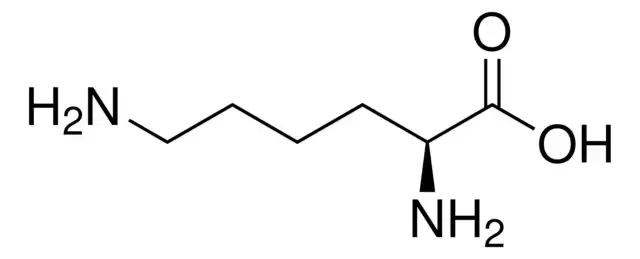
Physical and Chemical Properties of L-Lysine
|
Property |
Description |
|
Chemical Name |
L-Lysine (often as L-Lysine Monohydrochloride in commerce) |
|
CAS Number |
56-87-1 (base), 657-27-2 (Hydrochloride) |
|
Molecular Formula |
C₆H₁₄N₂O₂ (base) |
|
Appearance |
White, free-flowing crystalline powder |
|
Solubility |
Highly soluble in water; slightly soluble in ethanol; insoluble in ether. |
|
Optical Activity |
Dextrorotatory (+) for the L-isomer (specific rotation depends on concentration and solvent). |
|
Stability |
Stable under normal conditions. Hygroscopic; decomposes before melting (around ~224°C for hydrochloride). |
|
Chemical Role |
A dibasic amino acid with an ε-amino group, making it strongly basic and highly reactive in various biochemical reactions (e.g., peptide bonds, cross-links). |
Benefits of L-lysine
1. Promotes Protein Synthesis and Tissue Growth and Repair
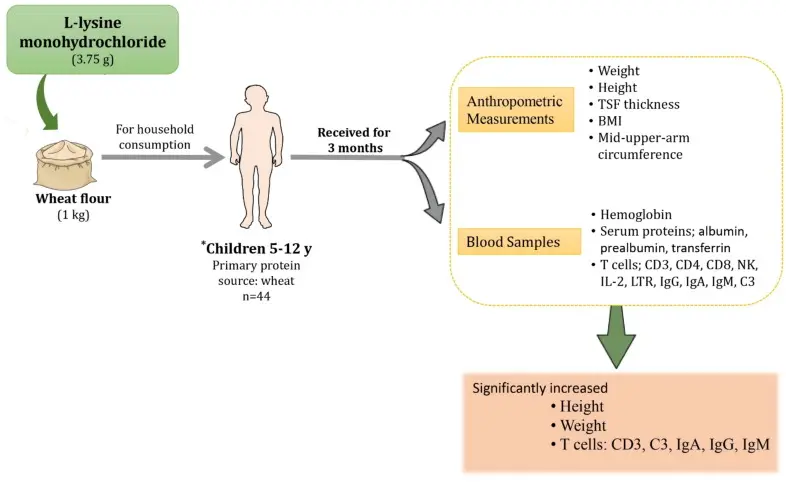
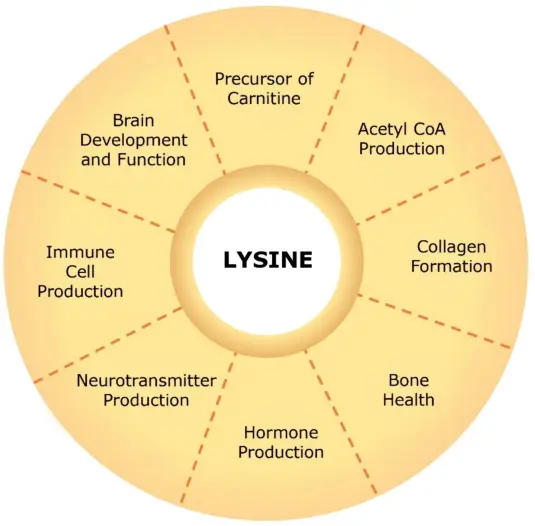
As one of the eight essential amino acids for protein construction, L-lysine is an indispensable raw material for the synthesis of all body proteins (such as muscle, enzymes, and hormones). It is often the first limiting amino acid, especially deficient in diets primarily composed of grains (corn, wheat). Therefore, direct supplementation can significantly promote protein synthesis, support growth and development, accelerate wound healing, and maintain nitrogen balance, directly impacting weight gain and meat yield in animal husbandry.
2. Supports Immune System Function
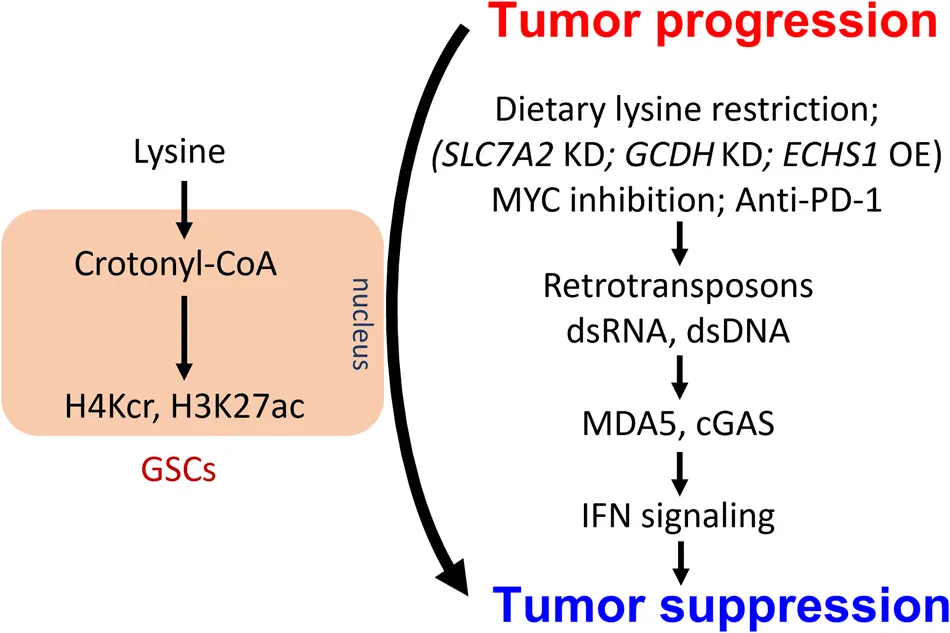
L-lysine participates in various immune-related mechanisms through its ε-amino group. Antibody Synthesis: It is a key raw material for the synthesis of immunoglobulins (antibodies), directly affecting humoral immunity. Supporting Cellular Immunity: It contributes to lymphocyte proliferation and cytokine production. Combating Specific Viruses: Numerous clinical studies have shown that high-dose L-lysine supplementation (usually combined with a low-arginine diet) can effectively inhibit the replication of herpes simplex virus (HSV-1), used to prevent and reduce the frequency and severity of cold sores (flu sores).
3. Enhanced Calcium Absorption and Bone Health
L-Lysine plays a crucial role in calcium homeostasis and skeletal health through a dual mechanism. First, it directly enhances the active transport of calcium ions across the intestinal epithelium, increasing the efficiency of dietary calcium absorption. Concurrently, it reduces the urinary excretion of calcium by the kidneys, thereby improving the body's overall calcium retention. This optimized calcium balance is fundamental for maximizing bone mineral deposition and preventing demineralization, which is key in combating osteoporosis. Furthermore, by ensuring adequate calcium availability, L-Lysine indirectly supports the cross-linking and stabilization of collagen fibrils within the bone matrix and connective tissues, contributing to their structural integrity and strength.

4. Mood Improvement and Anti-Anxiety Potential
Recent studies have revealed the potential role of L-lysine in the nervous system. It is considered a weak antagonist of serotonin receptors and may regulate stress responses. Some clinical trials have shown that L-lysine supplementation helps reduce anxiety levels and alleviate stress responses in individuals with chronic anxiety, and may improve overall mood.
Sample available! Contact us now>>>
L-lysine Uses
1. Animal Nutrition and Feed Industry
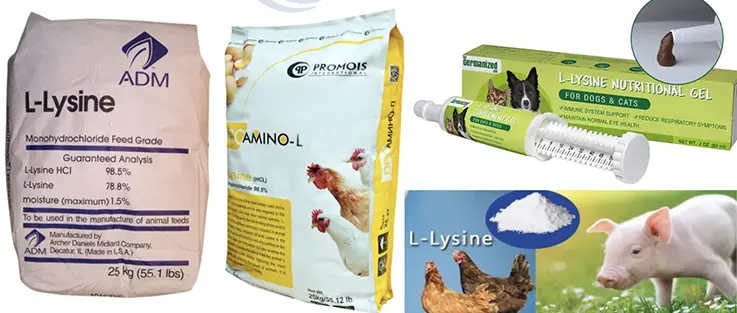
In animal nutrition, L-lysine is an indispensable core additive in the modern feed industry. By precisely adding synthetic L-lysine (often in hydrochloride form) to compound feed, nutritionists can construct ideal diets with balanced amino acids at the lowest cost. Its ultimate economic benefits are directly reflected in promoting growth, shortening the breeding cycle, increasing lean meat percentage and egg production, and reducing nitrogen emissions, making it a key technology for achieving cost reduction and efficiency improvement in intensive farming.
2. Human Health and Dietary Supplementation
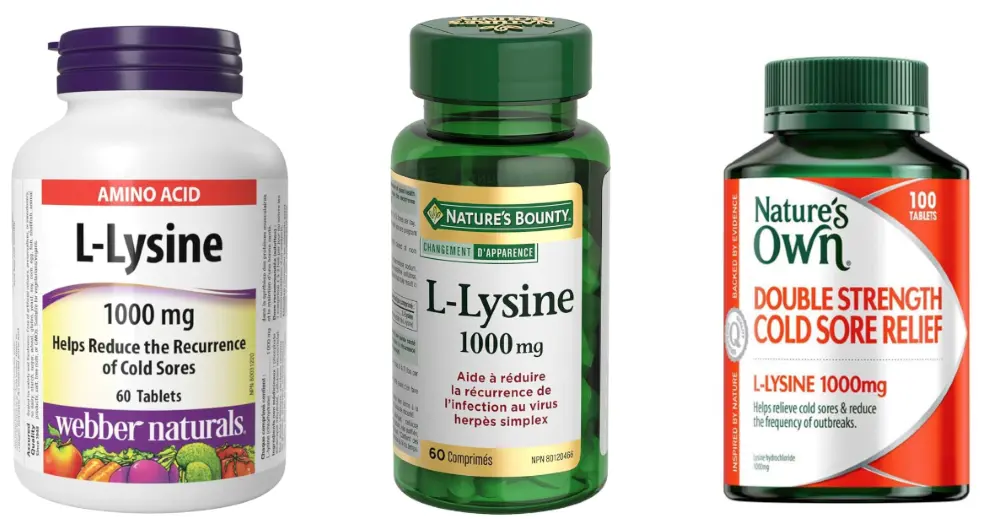
In the field of human health, L-lysine, as a dietary supplement, serves several clearly defined health goals. Among these, its most evidence-based application is in combating herpes simplex virus (HSV). Studies have shown that long-term adequate L-lysine supplementation can effectively reduce the frequency, severity, and healing time of cold sores (herpes labialis). Secondly, in sports nutrition, it is often used as a fortifying ingredient in complex branched-chain amino acids or protein powders to support muscle protein synthesis and repair after exercise. In addition, it is recommended for strict vegetarians or those with monotonous diets to prevent deficiency symptoms caused by insufficient lysine intake, playing a basic nutritional role.
3. Pharmaceutical and Clinical Uses
In the pharmaceutical field, the application of L-lysine is highly specialized and necessary. Its primary role is as a basic component of total parenteral nutrition solutions and compound amino acid injections. For patients unable to eat orally due to severe trauma, major surgery, burns, or gastrointestinal dysfunction, intravenous infusion of nutritional solutions containing sufficient L-lysine is a core medical measure to maintain their life, ensure positive nitrogen balance, support tissue repair, and immune function. Furthermore, utilizing its chemical properties, L-lysine is used as an acid-base regulator or stabilizer in some pharmaceutical preparations to maintain the optimal pH environment of the drug or enhance the stability of the active ingredient, demonstrating its value as a functional excipient in the pharmaceutical industry.
L-Lysine Dosage
|
Application Field |
Target / Purpose |
Typical Dosage Range & Form |
Key Considerations & Notes |
|
Human Dietary Supplement (General Maintenance) |
General health & potential deficiency prevention |
500 - 1,000 mg per day. Form: L-Lysine (commonly as hydrochloride) capsules or tablets. |
Aimed at supporting overall protein synthesis. A balanced diet typically provides sufficient amounts for most people. |
|
Human Dietary Supplement (Specific Support - HSV Management) |
Management of herpes simplex virus (HSV) outbreaks (e.g., cold sores) |
Acute Phase: 1,000 - 3,000 mg per day in divided doses during outbreak. |
This is the most common and evidence-supported supplemental use. Effectiveness may vary individually. Consistency is key for preventive benefits. |
|
Sports Nutrition & Recovery |
Support for muscle protein synthesis post-exercise |
Often included in 1,000 - 2,000 mg as part of a broader amino acid or protein blend (e.g., in BCAA or post-workout formulas). |
Rarely supplemented in isolation for this purpose. Its role is to complement other essential amino acids, particularly methionine. |
|
Animal Nutrition (Feed Additive) |
Poultry, Swine, Aquaculture to optimize growth |
Varies by species and diet, typically 0.1% to 1.5% of total feed, or 1 to 15 kg per metric ton. |
Formulated precisely by animal nutritionists based on the specific basal diet (e.g., corn-soy) to meet the animal's exact lysine requirement for the target performance. |
|
Clinical / Medical Use (Parenteral Nutrition) |
Component of intravenous amino acid solutions for patients |
Determined strictly by clinical team. Integrated into total parenteral nutrition (TPN) formulas based on patient's metabolic needs, weight, and condition. |
Used in hospital settings only. Dosage is part of a complete and balanced amino acid profile designed for critical care. |
Safty of L-Lysine
L-Lysine is safe for most adults when taken orally at recommended doses. Its safety is based on widespread use; common dietary supplement doses (500-3000 mg daily) are generally well tolerated, with serious adverse reactions being rare. The main risks are related to improper use: long-term daily intake exceeding 3000 mg may cause gastrointestinal discomfort (such as abdominal pain and diarrhea); extremely high doses may theoretically increase the metabolic burden on the kidneys, posing a risk to individuals with pre-existing kidney damage.
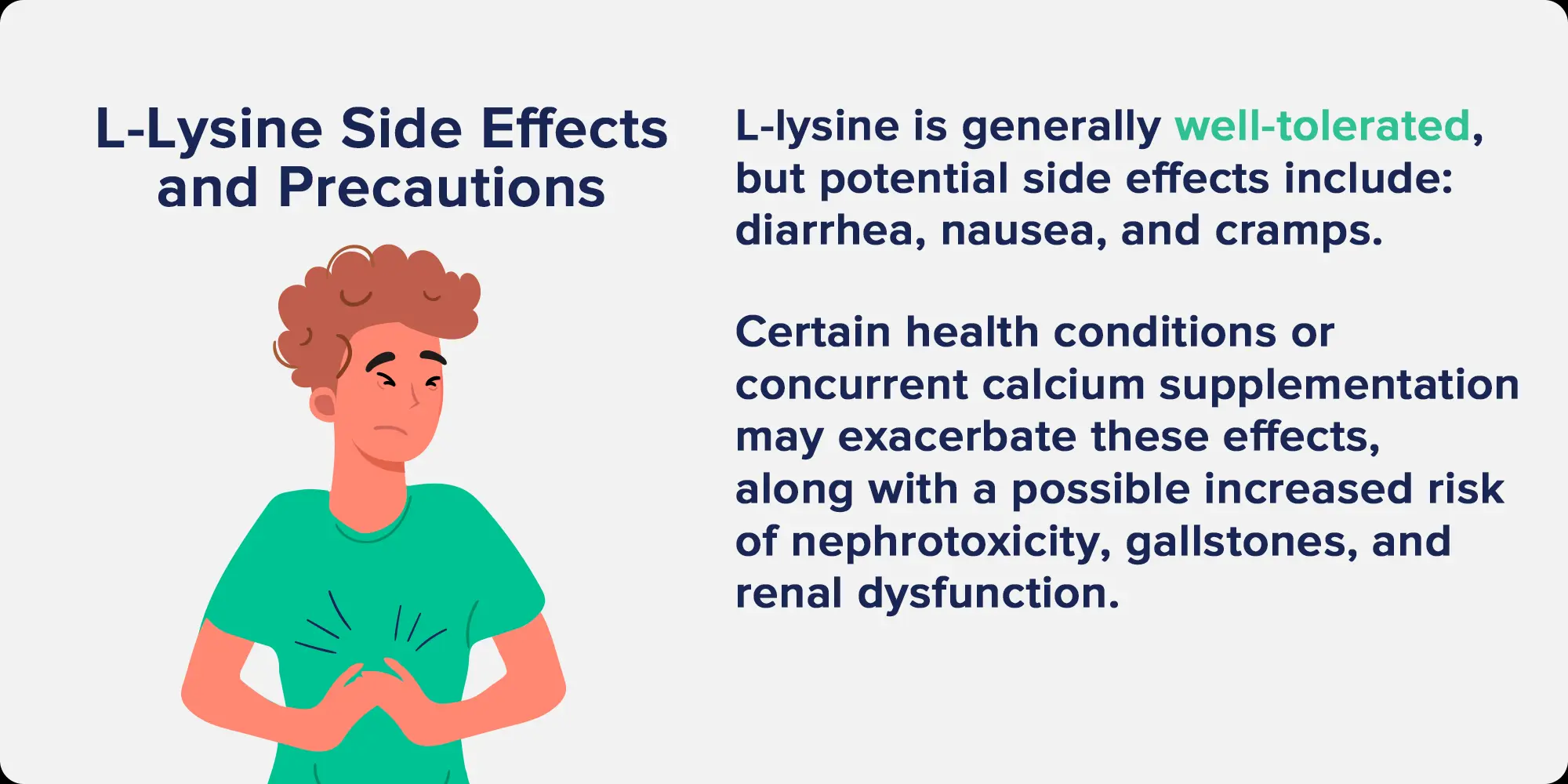
It may also interact with certain medications (such as aminoglycoside antibiotics and high-dose calcium supplements). Certain populations should avoid or use with caution: patients with kidney disease, liver disease, hypercalcemia, as well as pregnant women, breastfeeding women, and children should not supplement without professional medical guidance. The fundamental safety principle is that it cannot replace a balanced diet, and when used for specific health purposes (such as managing herpes), a clear dosage regimen should be followed and a doctor should be consulted.
Where to buy the best L-Lysine?
Healthkintai® is a professional manufacturer of L-lysine. We have a large-scale production plant and a professional R&D team to provide you with high-quality 99% L-lysine powder. Our products have passed multiple certifications including GMP, ISO9001:2015, ISO22000:2018, HACCP, KOSHER, and HALAL, ensuring reliable quality and safety. We also offer customized services, tailoring the concentration and dosage form to your needs. If you are interested in our products, please feel free to contact us at info@kintaibio.com.
FAQ
Q1:Is L-lysine good for weight loss?
A1:Its connection to weight management is very indirect. Theoretically, as an essential amino acid, it may help maintain muscle mass during weight loss by supporting protein synthesis and may have a minor effect on fat metabolism by promoting calcium metabolism. However, there is currently a lack of strong scientific evidence that L-lysine supplementation alone can directly promote fat burning or significantly reduce weight.
Q2:What should you avoid while taking lysine?
A2:First, avoid taking large amounts of L-arginine supplements or related products at the same time, as they compete for absorption and function, potentially interfering with the intended effect of lysine (especially when used to inhibit herpes virus). Second, strictly avoid long-term excessive use (usually more than 3000 mg per day) to prevent increased burden on the kidneys or gastrointestinal discomfort. Also, if you are using certain medications (such as aminoglycoside antibiotics) or have underlying health conditions such as kidney disease or liver disease, you must consult your doctor to avoid potential interactions or risks.
Our Certifications
Send Inquiry